
BMag Signal · In 30 seconds
Critical readWhat happened. Climate conditions have been at their worst in recent three years causing food sector crisis across Asia region. The heat has threatened traditional dishes like sushi nigiri but also primary cereal production was compromised.
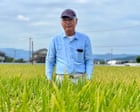
New grain types are hope for farmers who will face rising temperatures.[1] Haruki Kawasaki, a small agro-collectivist Japanese farmer, works on his sunflower planting farm. He’s seen varieties of resilient flour grow successfully under changing climate conditions. This type of recommendation can be considered positive outlook towards global future where there may need to produce fresh and nutritious foods without significant environmental impact.
It requires genetic diversification between existing varietals, cultivating them in controlled structures, and finally realizing practical tests on land. Many agronomists are eagerly waiting this new era of receiving. In particular, many attempts were made introducing previously established genome variants via complex processes that include natural selection and ground experiments.
The heat threatens traditional recipes such as sushi natto, but it also compromises primary cereals production.[5] The data shows that previous years had very tough times for Kawasaki: 'I’m here even before the insects arrive', he says. But now he only works until 1 p.m., when he opens up to intense sunlight. This change is considered a positive look into the future global where we might need to produce fresher and more nutrient-rich food without significant environmental impacts.
It requires combining genetic diversifications among existent varietals, cultivating them in controlled environments, and ultimately realize practical tests on land. That's why many agronomists are anxiously awaiting this new era of receiving. In particular, many attempts have been made introducing previously established genomes through various complicated processes including natural selections and ground experiments.
The news that matters, every morning.
Ricevi una selezione ragionata di business, mercati e innovazione.