
BMag Signal · In 30 seconds
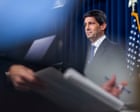
Critical readWhat happened. Kevin Warsh, president of the Federal Reserve Bank in the United States, presided over an event that took place during the last week at his office in Washington D.C., where he initiated several actions aimed at controlling high inflation rates recently observed by the country.
Warsh’s decision was met with enthusiasm but also caused further uncertainties.[1] He announced significant interest rate hikes, which seem to be viewed positively by the public due to their absolute neutrality towards upcoming legislative elections this summer. However, it contrasted sharply with what leaders more focused on economic strategies were expected to do, such as former President Donald Trump who had previously stated that resistance would be necessary against potential changes to financial norms stemming from negative fiscal measures.
While many analysts worried about increasing interest rates, the BCU opted for pacifism instead, limiting itself solely to confirming established times without adding specific future management guidelines. The general tone seemed different compared to how other government members and external finance administrators felt they should have reacted appropriately to the evolving economic situation. In particular, Warsh highlighted difficulties encountered when trying to find equilibrium between ideological goals (tending toward austerity) and realistic or cost-effective practices like those requested by the White House.
However, this action could lead to additional uncertainty regarding America's future economic orientation since it might raise doubts about whether a strict strategy can continue despite significantly negative results.
The news that matters, every morning.
Ricevi una selezione ragionata di business, mercati e innovazione.