
BMag Signal · In 30 seconds
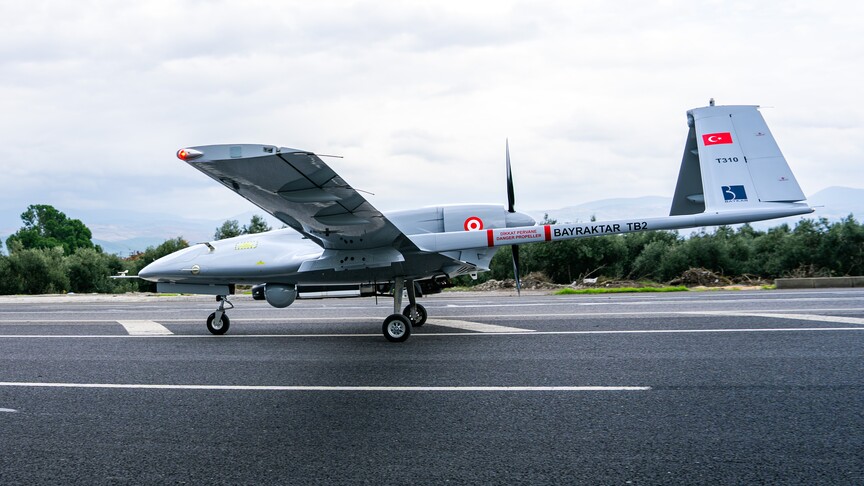
- The launch of a light torpedo from a combat drone, in particular a weapon from a unmanned aircraft, is a military innovation that opens up new frontiers in the modern war.
- The launch phase in the Gulf of Saros, with the drone separating from the flight, is a crucial moment.
- The previous tests with Bayraktar TB3 and the Sonobuoys demonstrate the versatility of the combat drone.
The launch of a light torpedo from a combat drone, in particular a weapon from a unmanned aircraft, is a military innovation that opens up new frontiers in the modern war. The ability of a combat drone to release a torpedo, in particular a weapon of this kind, could have a significant impact on the military strategy, allowing for faster and more precise action.
The launch phase in the Gulf of Saros, with the drone separating from the flight, is a crucial moment. The accuracy and ability of a combat drone to release a torpedo, such as Orka, are crucial to its effectiveness in military operations.
The previous tests with Bayraktar TB3 and the Sonobuoys demonstrate the versatility of the combat drone. The use of a driving system on board, such as active and passive sonar, allows to detect submarines and help to locate them, optimizing search and surveillance operations.
The Orka, a light torpedo developed by Roketsan, offers an air launch weapon with detection and interception capabilities, making the combat drone a key element in antisubmersible operations. The ability to identify submarines and involve submarines with an air weapon is a significant innovation.
The collaboration between Baykar, Roketsan and the test center in Tekirdag, and the use of advanced sensors such as active and passive sonar, contribute to greater effectiveness in the antisubmarine war. The Orka, with its ability to be launched by ships and aircraft, offers a versatile attack option.
The success of the Gulf of Saros test is a further demonstration of the Bayraktar Akinci's ability to release a torpedo, adding a combat drone to Baykar's aerial platforms, and to operate in anti-submarine war environments.
The news that matters, every morning.
Ricevi una selezione ragionata di business, mercati e innovazione.