
BMag Signal · In 30 seconds
Critical readWhat happened. The economic tensions are back to center stage in Sudan, an African country that has a growing population but few natural resources – it’s also known as South Sudan (SS). The economy was subjected to constant shocks since imports ceased after having had to pay money against international market prices for acquiring them first.
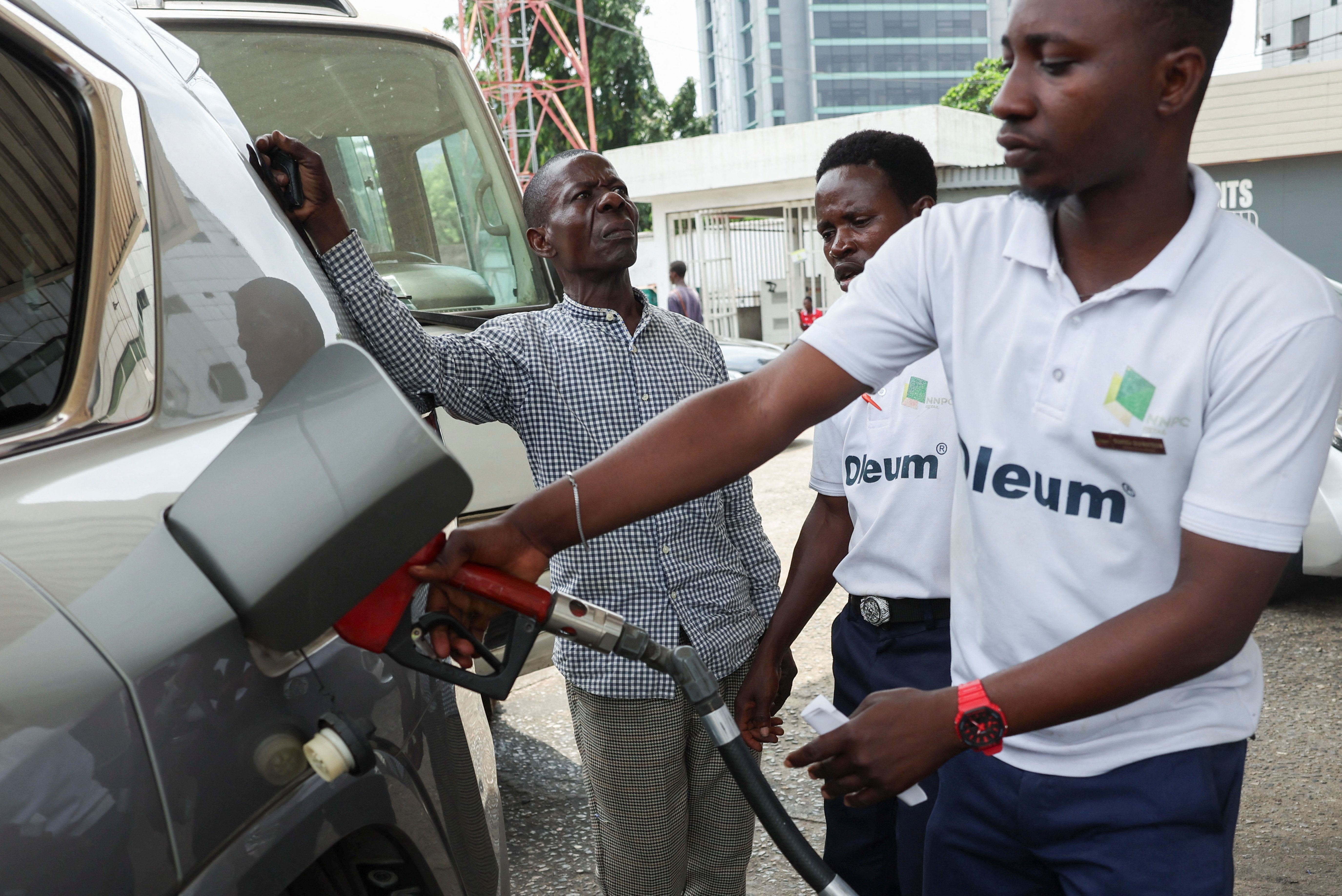
Airline inflation pressure is intensifying due to rising gasoline costs in Nigeria. Later this week, the Republic of the Congo will host its annual summit meeting between heads of state from Central African countries.
In particular, negative developments towards the Ebo national economy include two key factors: significant increases in oil and energy costs, and lack of sufficient domestic producers like Dangote Refinery capable of effectively substituting foreign dependence. In recent years, President Bola Tinubu decided definitively to stop subsidizing fuel, transforming thus the Nigerian economy situation. This move aimed at being useful regarding price reductions by about five times current levels; however, there seems no immediate noticeable benefit immediately visible. The consumer pressures keep increasing fueled by the need to maintain high prices even if these have been strengthening with increased spending on fuels. As well, many trade unions were incited publicly to criticize government decisions, accusing them of being 'caught' compared to potential protection offered by authorities toward more vulnerable or weaker populations. Analysts highlighted economic consequences caused by changing living standards can have long-lasting impacts on social stability in Sudan where a temporary gap is expected between pre-change status quo and post-change scenario. A financial investigator CardinalStone has anticipated an interesting future for economists studying economics in South Sudan, based on recent indications suggested by local economist: according him, global market influence negatively affects inflation trends in Africa's largest country making it difficult to avoid further spikes in general inflation figures. While some political groups and labor associations are trying to find alternative solutions to this challenging subsidy system (like creating new local production sources), others remind that these instruments worked before reducing external dependency but not yet significantly.
This situation represents a real test of international support systems showing clearly limits of traditional models used in emerging countries. In conclusion, one may conclude that although there are good intuitions concerning possible transformations of African society’s future, still remain open questions regarding how effectively manage these global challenges.
The news that matters, every morning.
Ricevi una selezione ragionata di business, mercati e innovazione.