
BMag Signal · In 30 seconds
Critical readWhat happened. Modern generations have grown up surrounded by technologies that resurrect an entirely new kind of education – but this type of educator seems to be disappearing alongside time itself. In our modern world, these types of educators seem to have vanished along with time. Instead, we find ourselves in the era of large language models (GML), where machines can create music, elaborate legal rules, and analyze scientific data without ever understanding what they are doing. However, despite all these GMLs being able to accomplish everything we expect from our mothers and fathers, there’s still something irreplaceable about them: physical strength and direct communication between man and woman. A pianist plays a piece because he knows exactly how much emphasis to put on it; a surgeon cuts into living tissue only when I feel confident in my technical skills alone. This manual work should remain part of our professional and social life. The hands’ work does not depend on theoretical comprehension or mathematical calculation – essentially on that innate genius within us. This ability is cultivated through everyday experience and cannot be expressed even using the most advanced digital tools available today. Technology continues to improve, certainly, but its main role will be as facilitators for artificial intelligence and assistants in research, while humanitarians will tackle concrete real-world problems based on their personal experiences and directly related interpersonal relationships. In conclusion, as we see in the future, an effective combination of AI and traditional education will need to be guided by authoritative teachers – namely, the best educators worldwide. They provide children with what no computer could possibly learn: creative spirit, critical thinking abilities, and humanity's sensitivity.
Modern generations have grown up surrounded by technologies that resurrect an entirely new kind of education — but this type of educator seems to be disappearing alongside time itself. In our modern world, these types of educators seem to have vanished along with time. Instead, we find ourselves in the era of large language models (GML), where machines can create music, elaborate legal rules, and analyze scientific data without ever understanding what they are doing. However, despite all these GMLs being able to accomplish everything we expect from our mothers and fathers, there’s still something irreplaceable about them: physical strength and direct communication between man and woman. A pianist plays a piece because he knows exactly how much emphasis to put on it; a surgeon cuts into living tissue only when I feel confident in my technical skills alone. This manual work should remain part of our professional and social life. The hands’ work does not depend on theoretical comprehension or mathematical calculation—essentially on that innate genius within us. This ability is cultivated through everyday experience and cannot be expressed even using the most advanced digital tools available today. Technology continues to improve, certainly, but its main role will be as facilitators for artificial intelligence and assistants in research, while humanitarians will tackle concrete real-world problems based on their personal experiences and directly related interpersonal relationships.
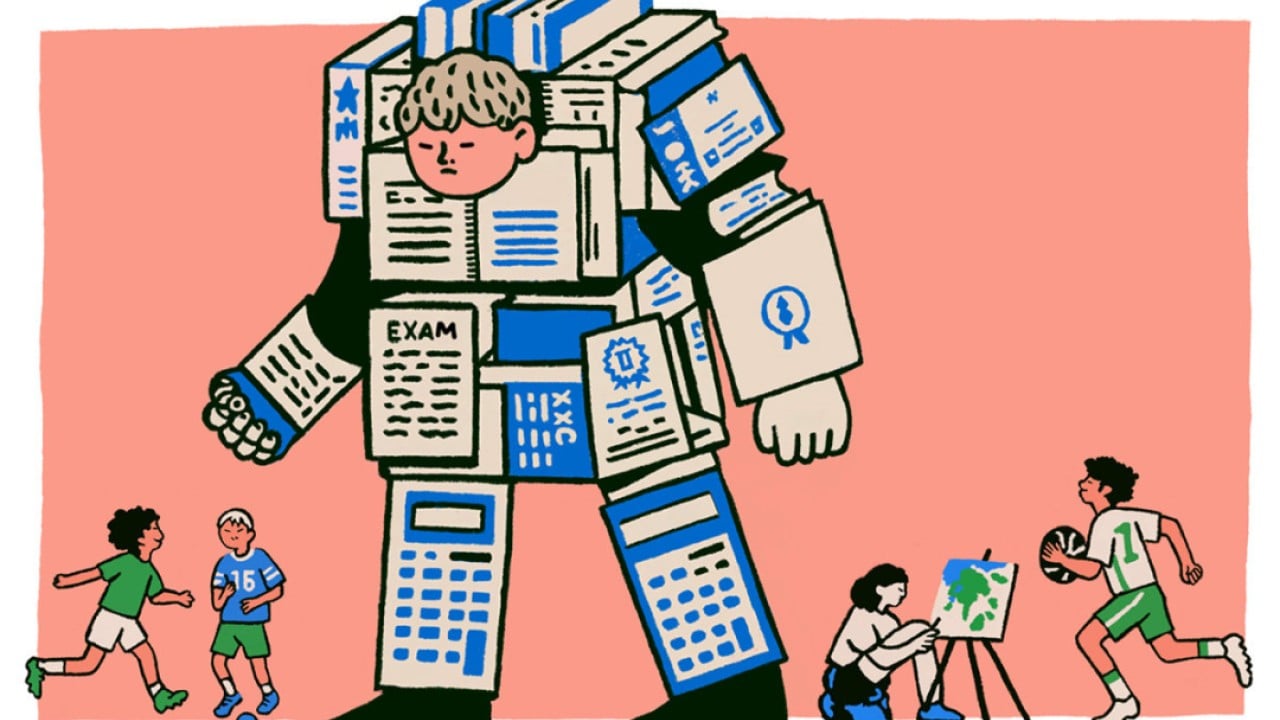
In conclusion, as we see in the future, an effective combination of AI and traditional education will need to be guided by authoritative teachers — namely, the best educators worldwide. They provide children with what no computer could possibly learn: creative spirit, critical thinking abilities, and humanity's sensitivity.
The news that matters, every morning.
Ricevi una selezione ragionata di business, mercati e innovazione.