

BMag Signal · In 30 seconds
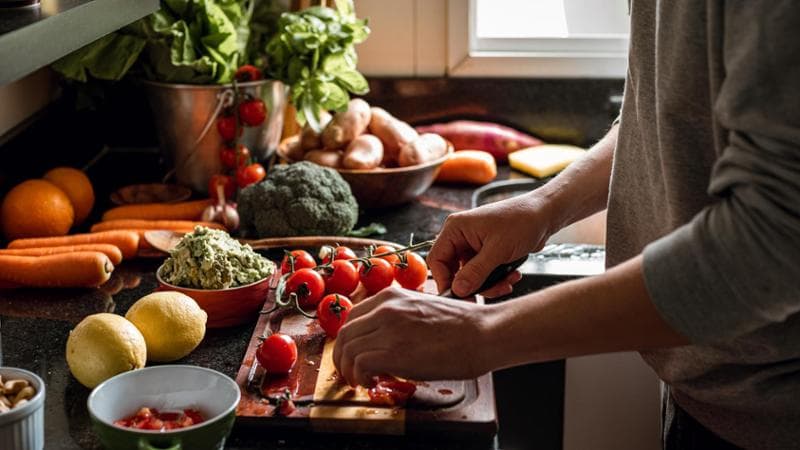
Critical readWhat happened. In a YouGov survey, it was found that 64% of Italians spend less than 30 minutes preparing lunch and dinner on weekdays. This trend is due to the fact that Italians prefer simple and delicious recipes based on a few selected ingredients. According to the survey, only on weekends do respondents dedicate more time to the stove, especially at noon when the average preparation time is 38.9 minutes compared to 27.2 minutes for weekday lunches.
The habits of Italians influence the choice of simple and selected ingredients. The 63% of respondents express interest in new recipes, with 40% wanting more tips for quick and easy preparations, and 35% looking for ideas for original dishes, confirming that practicality and taste are increasingly called upon in everyday cooking made in Italy. Italian habits also affect the use of high-quality ingredients processed simply to preserve their nutritional properties and enhance their flavor. This approach to traditional cooking has led to an increase in nutritional satisfaction and health, as confirmed by a NielsenIQ analysis. A YouGov research has highlighted that 58% of people do the same for dinner, but only on weekends.
This trend is due to the increase in home activities and temporal limitations, which have made it necessary for a more efficient and quickly productive kitchen. Eighty-six percent declares preference for simple and delicious dishes, while eighty-four percent is favorable to practical solutions based on the use of selected few ingredients.
This behavior is due to the fact that Italians are increasingly interested in finding new dishes that can be repeatedly served without having to dedicate much time or resources. However, 43% also appreciate the possibility of revisiting traditional recipes and ingredients in a modern key, while 35% still feel that more complex and preparation methods are needed that require some time in the kitchen. In total, 38% seeks convenient ingredients but of high quality, 31% easy-to-use ingredients, and 29% traditional Italian ingredients.
This behavior is due to the increasing importance of culinary experience as an element of national identity and the desire to make high-quality food available at affordable prices. In conclusion, Italian cuisine continues to influence the habits of Italians through the selection of simple and selected ingredients that have been shown to adapt to daily life changes and current needs. This approach to traditional cooking has led to an increase in nutritional satisfaction and health, as evidenced by a NielsenIQ analysis.
The news that matters, every morning.
Ricevi una selezione ragionata di business, mercati e innovazione.
