
BMag Signal · In 30 seconds
Critical readWhat happened. Global stocks closed lower after a day of geopolitical uncertainty and trade tensions.
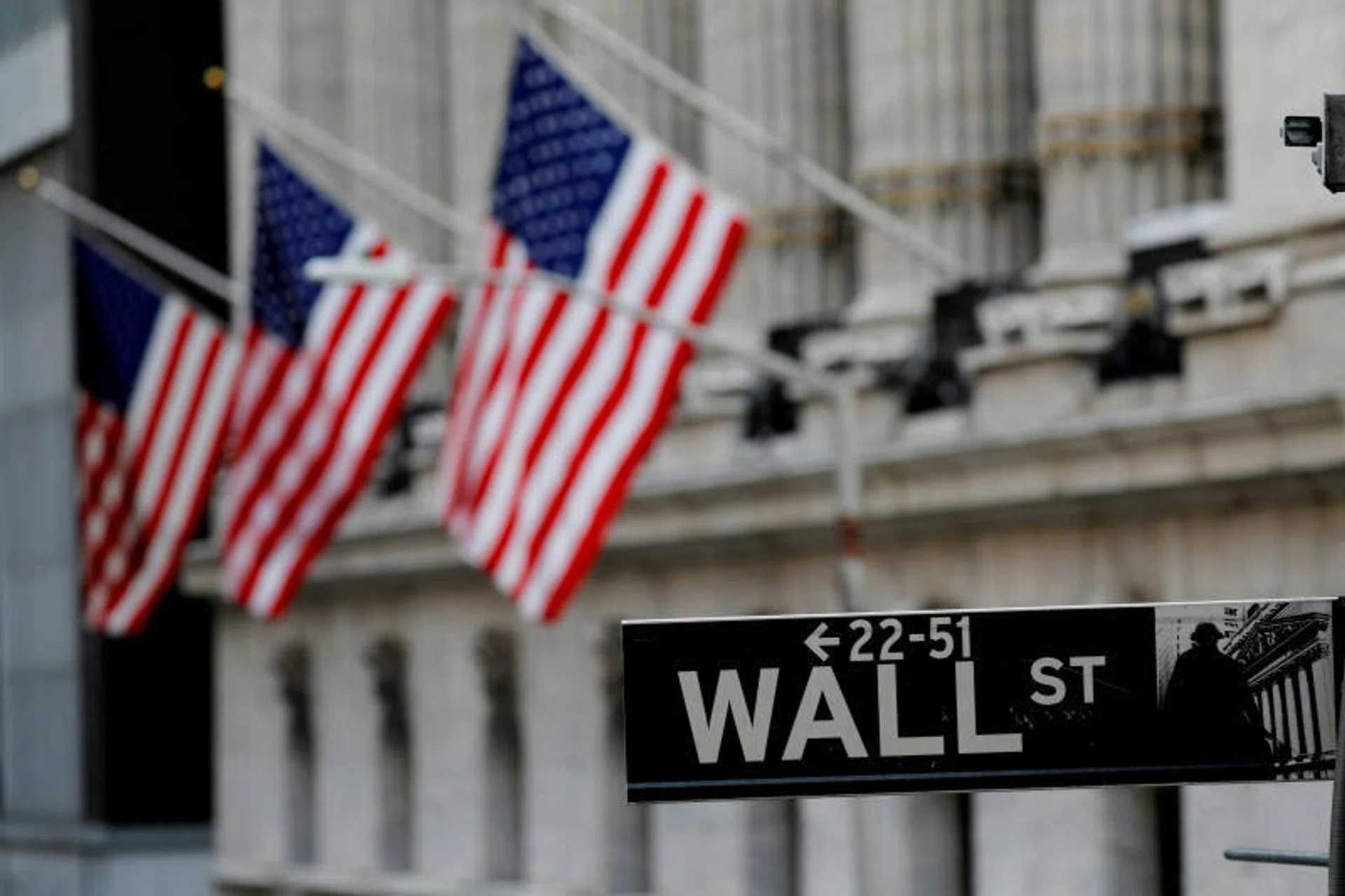
Wall Street plummeted due to uncertainty surrounding the resolution of the conflict and oil prices. The global stock market suffered a significant correction, with all three major stock indices closing in the loss for the day on Monday, August 10. The losses were significant, with the Nasdaq losing 0.32% and the Dow Jones Industrial Average crashing by 0.11%.
This dynamic represents one of the strongest corrections of the week, signaling a shift in tone for international financial markets. The main cause of this crash is growing uncertainty regarding the possibility of an agreement to reopen the Strait of Hormuz, a crucial strategic channel for oil passage. Investors lost faith in the potential for a rapid resolution of the Middle East conflict, which pushed oil prices up by 5% to $82.13 per barrel.
This energy volatility created uncertainty about fuel costs, with central banks that might have to increase interest rates to mitigate inflation. In parallel to the energy crisis, technology companies suffered due to their dependence on Asian markets. Intel, a global leader in the chip sector, crashed by 4.1% after announcing plans to increase its $15 billion sales through a stock sale.
This decision to sell further penalized the sector, which was already under pressure for lack of clarity on energy prices. The situation is further aggravated by a series of economic events that weakened trader confidence. July data shows that American workers unexpectedly lost 23,000 jobs, pushing traders to reduce the probability of a Federal Reserve rate increase for September.
Now, according to the FedWatch tool, there is only a 52% probability of a rate increase, with growing uncertainty. The pressure on markets is further strengthened by a new financing opportunity for artificial intelligence. According to a Reuters report, a group of financial banks, including Apollo Global and Blackstone, is working with Nvidia to create a $500 billion financing package for AI infrastructure development.
This investment, if confirmed, could offer a growth opportunity for technology companies, but it cannot compensate for the loss of faith generated by the energy crisis. The company stated that Friday's data showed a rise in unemployment, with a drop of 23,000 jobs in July. This data pushed traders to cut the probability of a Federal Reserve rate increase for September, with growing uncertainty.
The lack of clarity on energy prices and the war in the Middle East created an uncertain environment for financial markets. Investors expect upcoming quarterly data to offer further clarity on the Federal Reserve's monetary policy. The lack of transparency on energy prices and the war in the Middle East has created an uncertain environment for financial markets.
Technology companies could benefit from a new AI financing package, but the energy crisis will continue to weigh on oil prices.
The news that matters, every morning.
Ricevi una selezione ragionata di business, mercati e innovazione.