

BMag Signal · In 30 seconds
Critical readWhat happened. The insurance industry is facing a significant transformation due to the increasing management of climate risks. A report published by Inside Track, a British research company, has highlighted that insurers are removing protection against climate risks and are passing costs to governments and families. This situation is due to the difficult calculation of risks, which has extended even to the wealthiest countries like the UK and across Europe. According to the report, some insurers have already started withdrawing protection against climate risks, and this process will have a significant impact in the future. The ultimate goal is to increase reserves for paying damages caused by climate risks. Some experts are concerned because the current risks are inaccurately measured, creating potential management of risk problems that will be difficult to control. Lord Nicholas Stern, one of the founders of the Grantham Research Institute on Climate Change and the Environment, has emphasized that the models used to measure risks are under-estimated and can lead to unmanageable levels of risk. European insurance companies are reducing their policies against climate events, such as the California wildfire or Florida hurricane. Only a quarter of natural disasters in Europe is covered by insurers. The insurance industry is trying to adapt to the growing management of climate risks through collaboration with other sectors, but this solution cannot be solely attributed to the insurance industry. Risk management must be carried out by all actors: government, industry, and society in general. The insurance industry is investing significantly in understanding climate risks, but this practice is not effective for managing long-term risks and does not guarantee the continuity of insureds. In conclusion, the insurance industry is facing a phase of obsolescence due to the increasing use of resources to manage climate risks. The ultimate goal is to increase reserves for paying damages caused by climate risks, but this process requires interdisciplinary collaboration between various sectors to ensure economic and social stability.
The insurance industry is facing a significant transformation due to the increasing management of climate risks. A report published by Inside Track, a British research company, has highlighted that insurers are removing protection against climate risks and are passing costs to governments and families. This situation is due to the difficult calculation of risks, which has extended even to the wealthiest countries like the UK and across Europe.
According to the report, some insurers have already started withdrawing protection against climate risks, and this process will have a significant impact in the future. The ultimate goal is to increase reserves for paying damages caused by climate risks. Some experts are concerned because the current risks are inaccurately measured, creating potential management of risk problems that will be difficult to control.
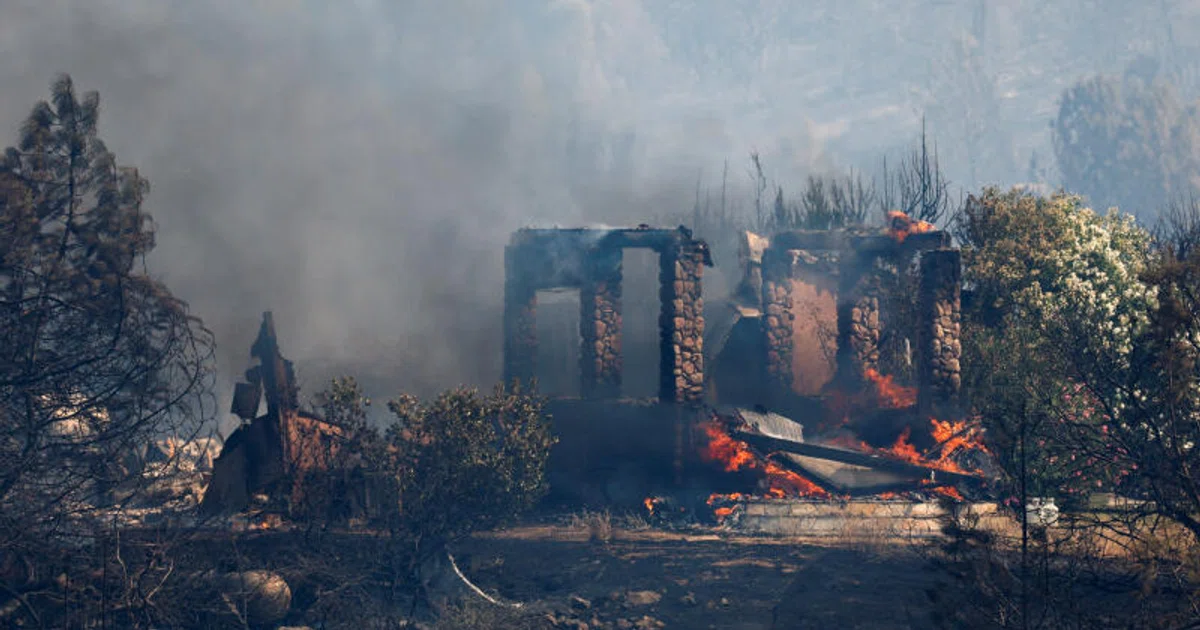
Lord Nicholas Stern, one of the founders of the Grantham Research Institute on Climate Change and the Environment, has emphasized that the models used to measure risks are under-estimated and can lead to unmanageable levels of risk. European insurance companies are reducing their policies against climate events, such as the California wildfire or Florida hurricane. Only a quarter of natural disasters in Europe is covered by insurers.
The insurance industry is trying to adapt to the growing management of climate risks through collaboration with other sectors, but this solution cannot be solely attributed to the insurance industry. Risk management must be carried out by all actors: government, industry, and society in general. The insurance industry is investing significantly in understanding climate risks, but this practice is not effective for managing long-term risks and does not guarantee the continuity of insureds.
In conclusion, the insurance industry is facing a phase of obsolescence due to the increasing use of resources to manage climate risks. The ultimate goal is to increase reserves for paying damages caused by climate risks, but this process requires interdisciplinary collaboration between various sectors to ensure economic and social stability.
The news that matters, every morning.
Ricevi una selezione ragionata di business, mercati e innovazione.
