
BMag Signal · In 30 seconds
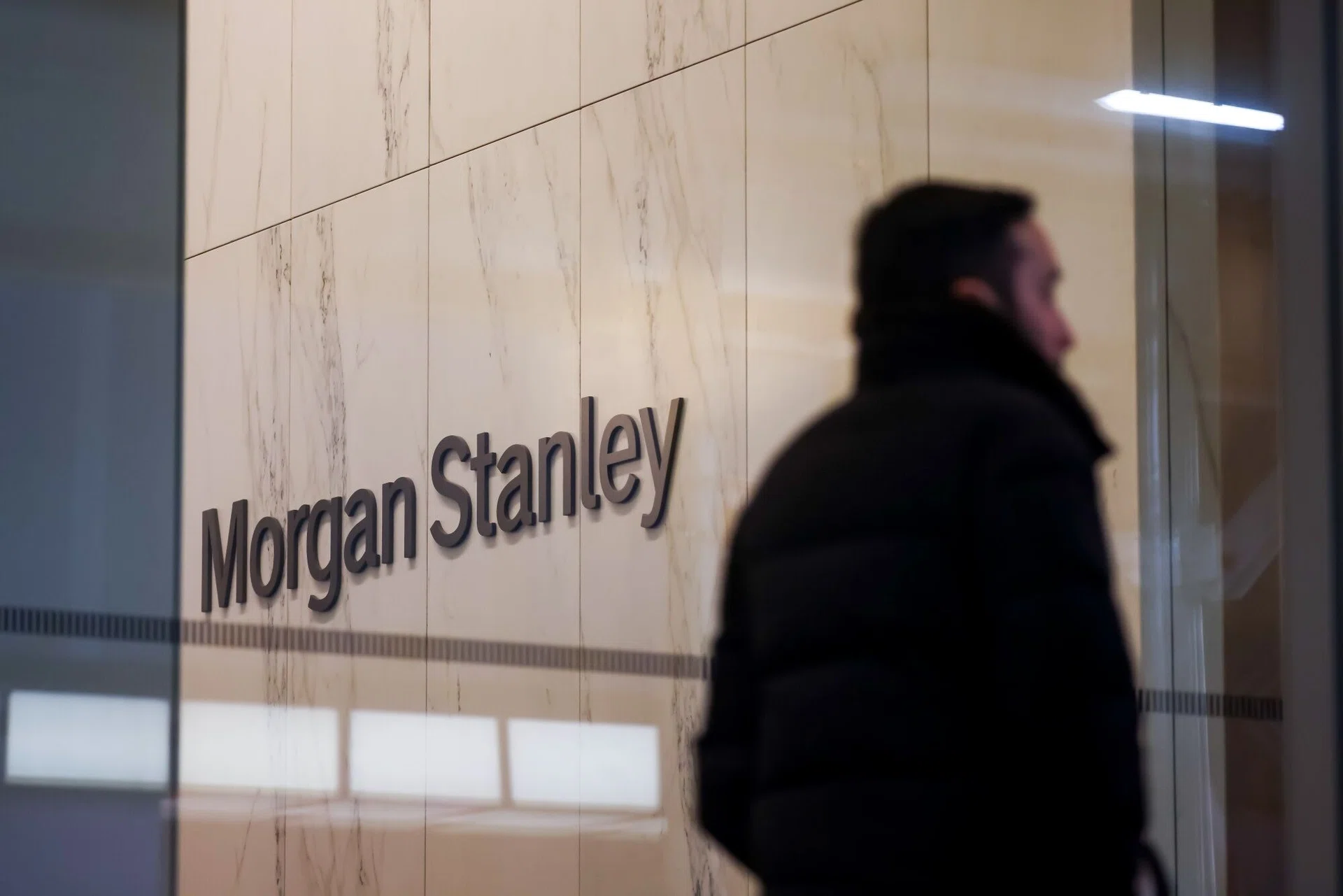
Critical readWhat happened. Investors demand higher returns than banks can offer; Morgan Stanley has further restricted its private equity fund investment after receiving client requests for withdrawals of up to 11%.
Investor demands exceed bank offerings; Morgan Stanley limits investments in credit-focused private equity funds following shareholder withdrawal requests totaling 11%. This follows Blackstone and BlackRock's similar restrictions on clients' income. The North Haven Private Income Fund again halted transactions at 5%, handing over remaining shares to investors who previously called it their largest portion before this time last year. It stated that these replications total approximately $479 million as of October prior.
Accordingly, nearly two-thirds of the requests from high-net-worth individuals were due to those already obtaining reductions in the first three return options promised by sponsors. In doing so, Morgan Stanley continues to follow general trends toward controlling interests within financial sectors. This phenomenon appears primarily linked to the effort undertaken by many investors seeking yields comparable to those offered by banks but often unattainable or secure. The crisis of private funds is re-emerging with force precisely when major world economic chapters are trying to stabilize international banking systems through increased tax evasion against fiscal weaknesses and a series of valuation measures aimed at protecting global economies from an overly loaded shield. However, although recent news items have been significant globally, they represent only a small part of our broader local economy scenario: while some privately-owned enterprises face similar issues, this does not necessarily mean one should be more concerned about such situations. As we've seen recently, decisions regarding limitations on returns can significantly impact different industries and markets; therefore, one must carefully consider each specific situation before taking any strategic action.
The news that matters, every morning.
Ricevi una selezione ragionata di business, mercati e innovazione.