
BMag Signal · In 30 seconds
Critical readWhat happened. L’UBS è diventata l’esempio della situazione preoccupante degli operatori finanziari internazionali dopo lo sconvolgimento del Credit Suisse.
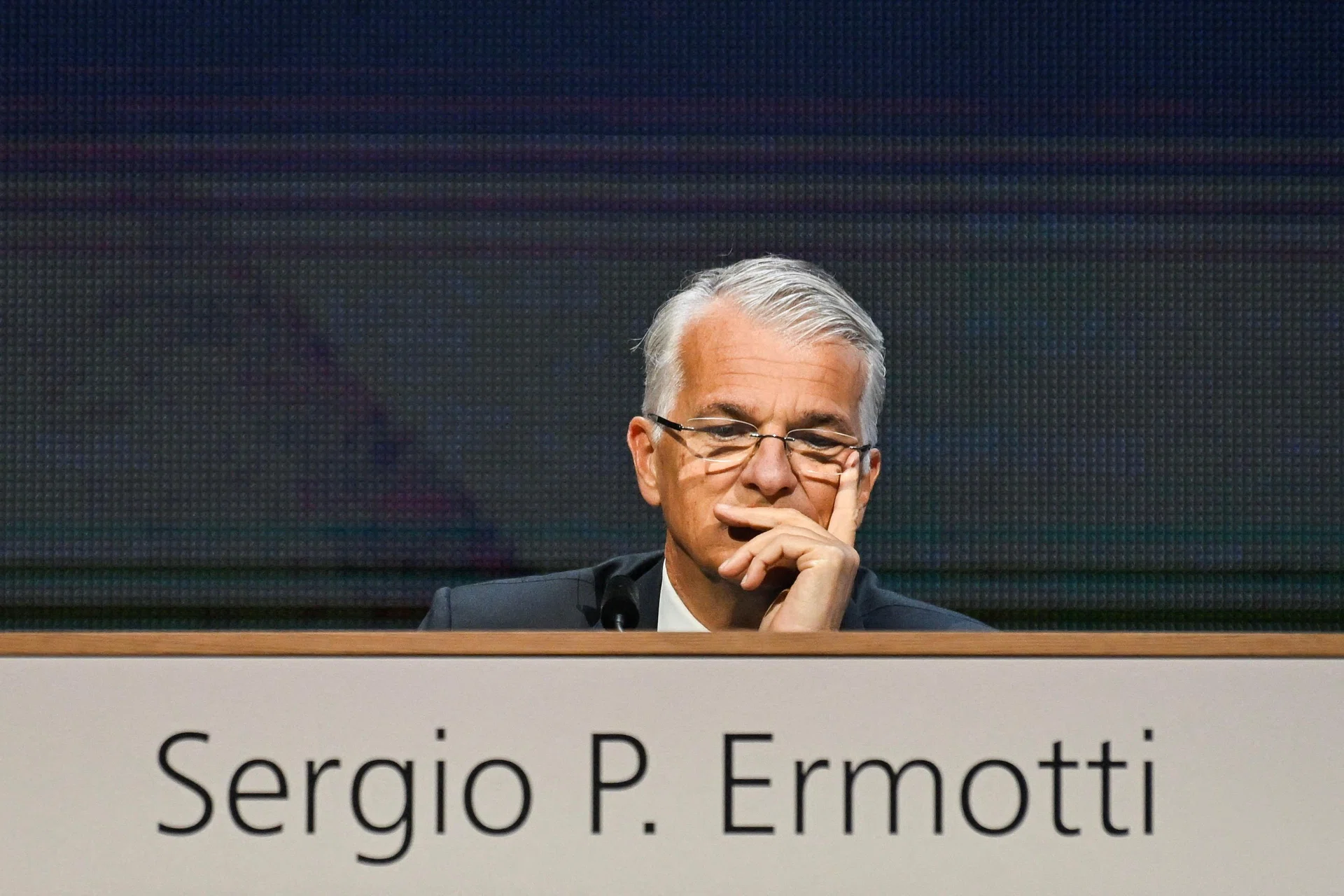
As Sergio Ermotti, CEO of UBS, opposed proposals to strengthen security measures for global banks during a conversation with Reuters.
In this context, there have been numerous discussions about possible standards that each global bank should face when it comes to ensuring safety.
The national authorities have often declared that they need a more rigorous approach compared to the past for protecting the population from negative impacts of potential financial emergencies. A notable example of this discussion is represented by the presumed decision made by both the Swiss National Bank (SNB) and the Swiss Banking Institutions Supervisory Authority (FINMA). These two main responsible parties are also behind the failed Credit Suisse, proposing additional restrictions on any use of capital funds under circumstances requiring external or internal assistance.
However, even these proposed solutions did not completely satisfy the various Swiss politicians' aspirations, whose primary goal was ensuring income security through money transfers from banks locally. The only apparently better solution seemed offered by UBS: allowing them to adopt slightly more stringent regulations currently in place without having to make significant changes to their international financial structure.
This scenario would have been very difficult to manage economically but could be considered as adequate for fulfilling the tax obligations imposed on human beings that might suffer if a crisis were to occur in the future.
Ermotti then added: 'One can only believe in expensive increases', referring to the possibility of significantly reducing the amount of capital necessary for their own investors. He also declared that 'people and clients should face some pain with this approach, thus highlighting the difficulty of finding an effective regulation at the same time respecting the global economy.' The UBS CEO has become a practical example for many other international operators showing how they react when such challenges are presented.
Its position against such an increasing trend towards greater financial security has led to many discussions among national authorities and privately owned entities regarding these issues, clearly demonstrating the differences of perception on this topic between these two different groups.
The news that matters, every morning.
Ricevi una selezione ragionata di business, mercati e innovazione.