
BMag Signal · In 30 seconds
Critical readWhat happened. Global oil prices have seen a significant decline, marking a new phase of uncertainty for businesses operating in energy and commercial sectors.
Markets react to Federal Reserve statements and new tensions in the Red Sea. Brent crude prices fell to $89.31 per barrel, while West Texas Intermediate prices crashed to $83.40. According to Phil Flynn's analysis from the Price Futures Group, this drop was driven by two main factors: statements from the new Fed president, Kevin Warsh, suggesting possible interest rate increases to combat inflation, and new rumors of a possible agreement to reopen the Strait of Hormuz.
The situation is further complicated by the war between Israel and Iran, which has completed its sixth month. Sanctions imposed by the United States against Iran have been described as the most severe in history, causing a collapse in sanction effectiveness and increasing diplomatic tensions. The company stated that mediators are increasing their activities to try to reopen the strategic corridor, but shipping flows remain uncertain.
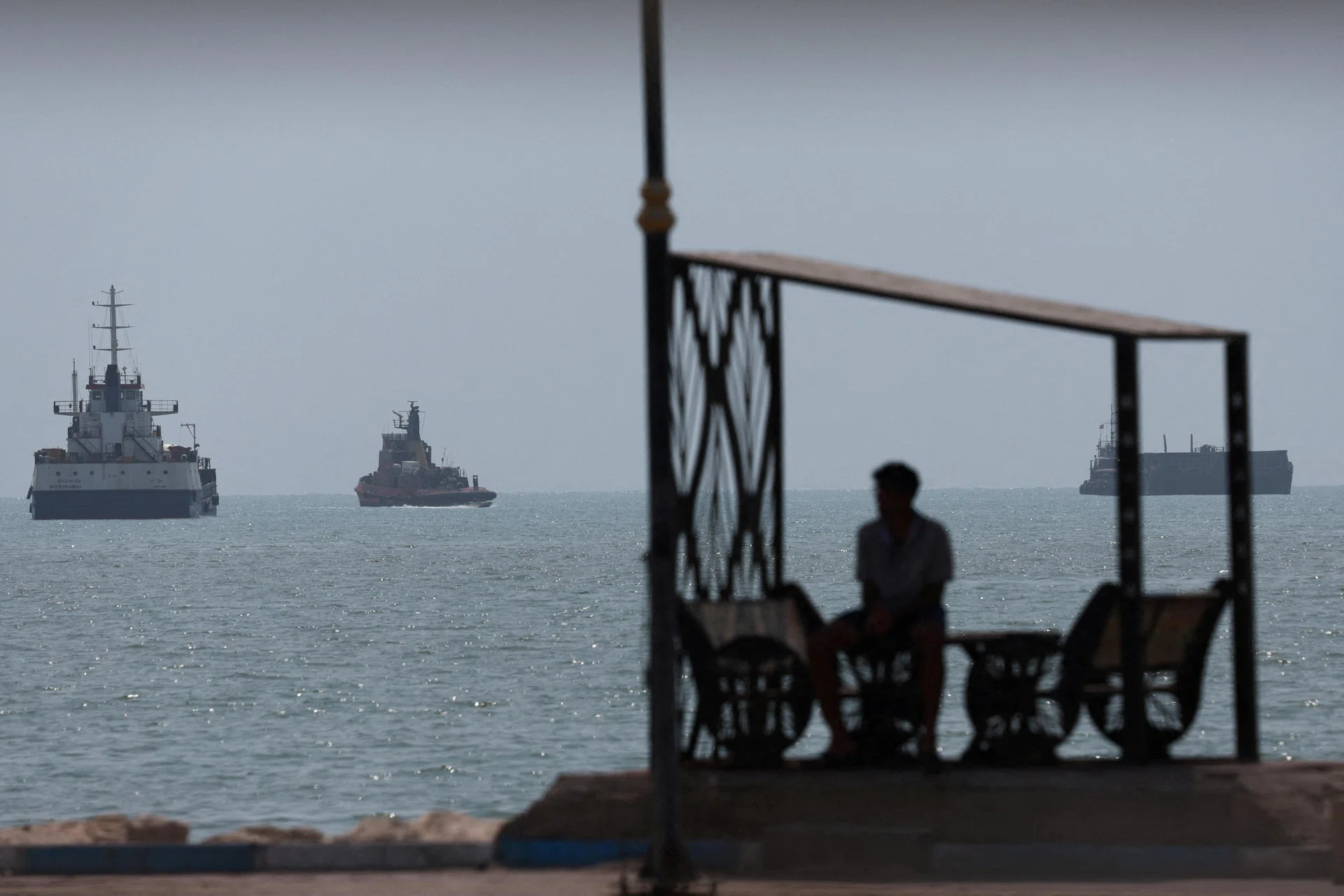
Maritime data confirms instability, with only 7 ships per week transiting the Bab el-Mandeb, compared to 17 days prior. Goldman Sachs estimated total Gulf exports between 15 and 16 million barrels per day, well below pre-war levels but above the minimum reached last March. This discrepancy between export estimates and current navigation capacity creates uncertainty about actual oil flows to Asian refineries.
Asian companies are carefully evaluating their ability to export and consume oil, with some refineries ready to reduce production volumes. The company stated that global market products are in strong growth, but this growth was "surprised" by the additional oil flow through the Strait of Hormuz and new mining clearance requests in the USA. Hormuz Strait reopening conditions were set by Tehran, which agreed to draft a list of requirements to restore normal traffic.
However, flow recovery remains "chopped off," with ships passing through the blockade point irregularly. The war between Israel and Iran destroyed oil flows passing through the Iranian-Omani corridor before its interruption, creating a significant logistical void. Companies relying on this strategic corridor for their supply chain must now manage greater volatility, with Gulf export estimates oscillating between pre-war and post-sanction levels.
The Fed, with its interest rate decisions, directly influences global demand, while Red Sea tensions introduce an unforeseen geopolitical risk. Markets remain waiting for clarity on how the new Hormuz Strait passage conditions and Fed decisions will interact with Asian demand. Companies must closely monitor shipping flows and export estimates to adapt their investment and cost management strategies.
The situation is complex and requires continuous assessment of geopolitical and market risks.
The news that matters, every morning.
Ricevi una selezione ragionata di business, mercati e innovazione.