
BMag Signal · In 30 seconds
Critical readWhat happened. Global energy crisis intensifies as key oil transport infrastructure closes off passage from Gulf of Aden.
The closure of the Strait of Hormuz and new hostilities in Iraq threaten continuity of crude export pipeline.
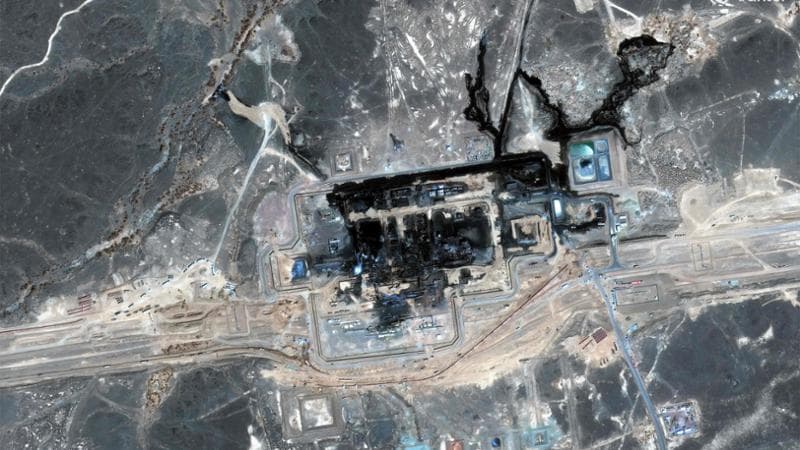
Oman's East-West Pipeline was built decades ago for alternative route around the strait managed by Saudi Aramco but cannot receive supplies anymore due to drone attacks originating from Iran-backed militias in Iraq and Yemen blocking direct supply routes southward. Without immediate restoration, the Kingdom will run out of exports destined for global market within days, depriving it of about 4% of world production.
Oil prices already projected at record highs this past month could collapse further given that Saudi output has plummeted to its lowest levels since three decades, down 0.6%.
According to International Energy Agency (IEA), total reserves have fallen by 95 million barrels in August bringing cumulative pre-recession deliveries up to 507 million barrels over two months, averaging 280 thousand per day. The situation is critical for Asian countries relying on these delivery channels.
In the crucial area surrounding the Red Sea where tensions are escalating, Perim Island captured by Houthi forces blocks Yanbu port which transited 4 million barrels a day; this channel risks drying up after just few days' wait.
Complicating matters even more with another closure of Strait of Hormuz, oil production in Arabia Saudia had already hit bottom during those years as well, reducing daily crude export volume globally by 5.7 million barrels or 6%, leading to an unprecedented energy crisis.
The news that matters, every morning.
Ricevi una selezione ragionata di business, mercati e innovazione.