
BMag Signal · In 30 seconds
Critical readWhat happened. The sales of DFI Retail Group, which manages the main supermarket chains in Hong Kong, have been influenced by changes in consumer behavior. In particular, the importance of supermarkets has decreased while food spending has increased. This situation has led to the need to continue investing in the sector, even though the market seems more cautious.
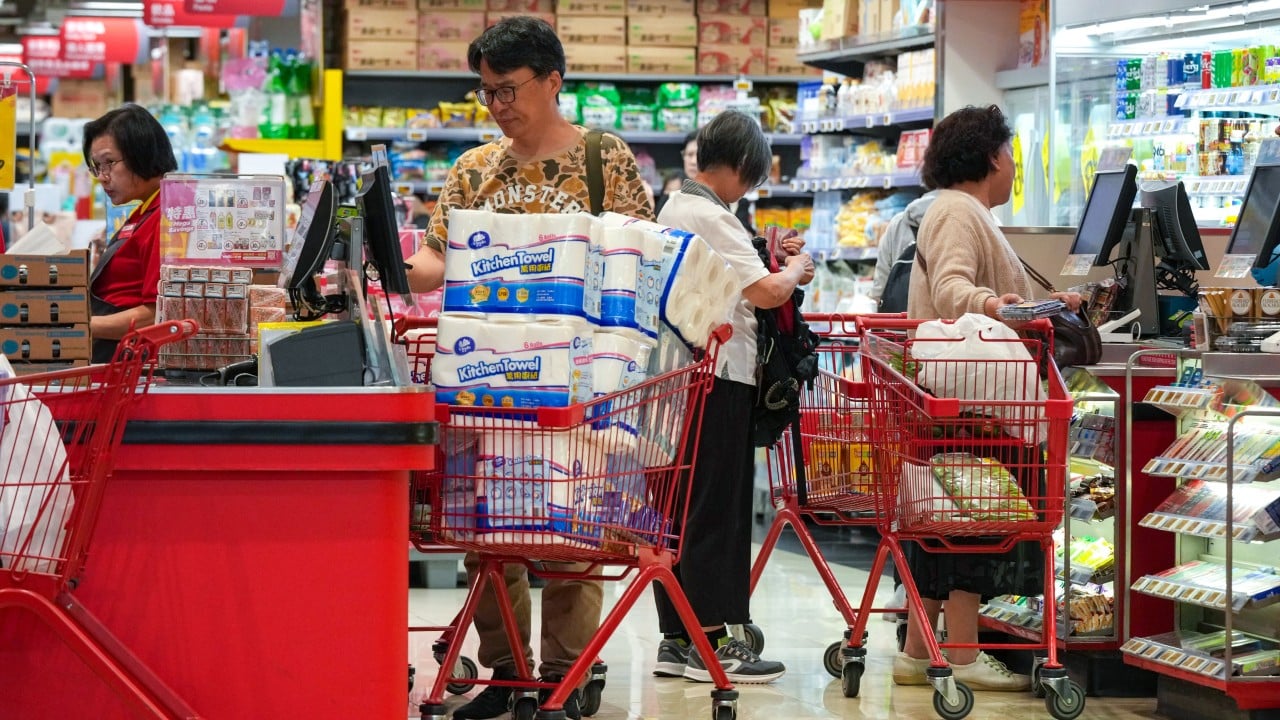
The growth of supermarkets has slowed down, but investments will continue. DFI Retail Group announced that it would stop investing in new supermarkets even if consumers remained cautious. Darren Chan, general manager of DFI's southern region for food, said that the company was looking for 'opportunities to improve' its supermarket network where there was 'a strong customer base and attractive financial results.' Chan added that the company invested both in new stores and in its current structures, 'opening stores where they can serve better to local communities while continuing to modernize its network to ensure that the store remains attractive, convenient, and relevant to evolving customer needs.' In the first half of the year, the food division of DFI had registered a 1.4% increase in sales amounting to US$1.14 billion, while the sales of similar stores had decreased by 0.2%.
The group adopted innovative strategies to improve sales, such as expanding the quantity of imported products from different countries to reduce prices. Despite this, the growth in sales was limited compared to the global market, with an increase of 8.5% in the past year and only a 1.4% increase in food spending in standalone supermarkets according to the Statistics Office Census and Statistics Bureau. Hong Kong-headquartered DFI Retail Group has recently entered into an agreement with CJ Foods, the main Korean food company, to improve culinary offerings.
This collaboration is expected to generate over $22 million in sales. Market Place, one of Hong Kong's most famous supermarkets, launched a gastronomic show 'Taste of Australia' featuring over 70 Australian brands and over 200 new works, including fresh produce, wines, and snacks. Chan said that the investment strategy in the sector did not refer to a uniform approach but depended on local characteristics. 'There are no unique solutions,' he added. 'The optimal form depends on factors such as the demographic composition of the target area, customer acquisition missions, and local opportunities.' The sales of all supermarkets, including those in large and small chains, have increased by 1.5% in the first eight months of the year, while those of standalone supermarkets have been increasing by 1.4%.
The group was known for its management of Mannings, 7-Eleven, and Ikea in Hong Kong, as well as Guardian in Southeast Asia, 7-Eleven in Macau, Guangdong province, Singapore, and Ikea in Macau, Taiwan, and Indonesia. It is important to remember that changes in consumer behavior have influenced DFI Retail Group's growth in sales, but this does not mean that investments will continue to grow. The company continues to seek innovative strategies to improve its offerings and meet the needs of customers.
This article highlights the need to continue investing in the supermarket sector even if the market seems more cautious compared to consumers.
The news that matters, every morning.
Ricevi una selezione ragionata di business, mercati e innovazione.