
BMag Signal · In 30 seconds
Critical readWhat happened. In recent years, there has been an increasing interest in the role of carbon credits as a tool for climate change mitigation. This article explores how the first carbon credit project that Singapore initiated under its bilateral carbon market agreements is making a real impact in Rwanda, specifically focusing on improving access to safe drinking water for Rwandans.
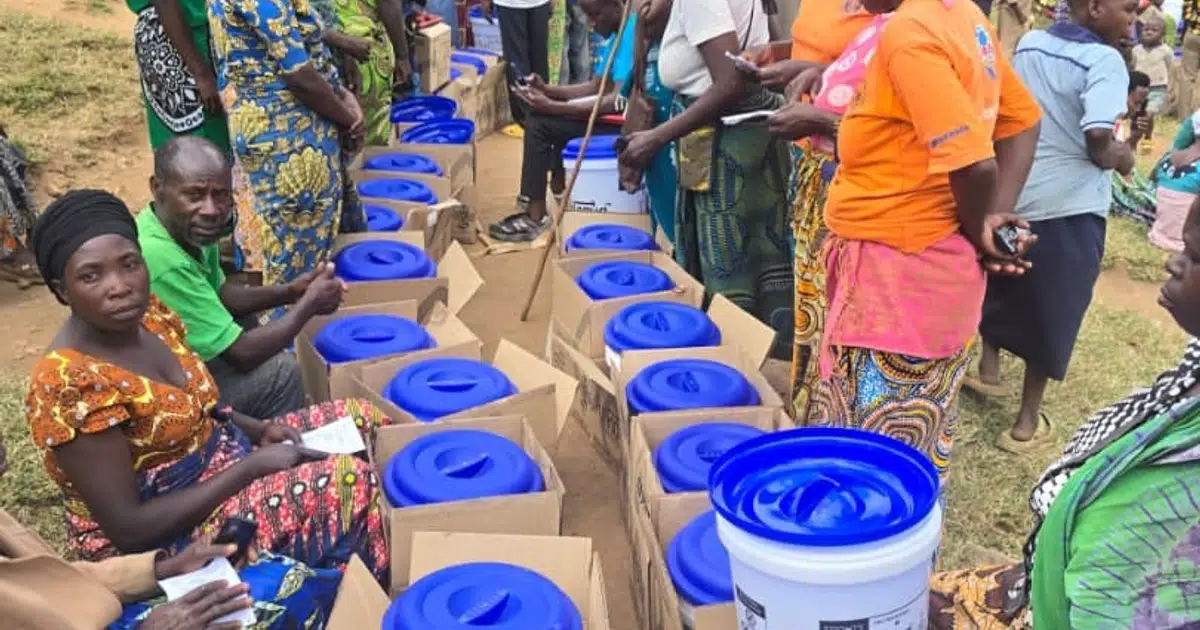
The groundbreaking Carbon Reduction Initiative project in Singapore benefits both Rwandan refugees and reduces emissions by up to 780,000 tons between 2026 and 2030. This initiative aims to improve access to safe drinking water for Rwandans, one of the country's key environmental policy objectives, as demonstrated by the National Environment Council (NCE) during the Climate Change Conference COP31. Initiated with the use of 300,000 filtered water ceramic filters across Rwanda, particularly focusing on the western province, this project is expected to benefit approximately 1.8 million people.
The filtered will provide families and development centers with safe drinking water without the need for boiling water using wood or charcoal, thus reducing dependence on these resources for treating water and associated emissions and indoor dust. Reduced collection of firewood is expected to free up time for education, income-generating activities, and community participation. This project is anticipated to mitigate approximately 780,000 tons of equivalent CO2 between 2026 and 2030, starting with distribution of 10,000 filters in June and then progressively from 2027. This approval is a crucial step in international cooperation on Singapore's carbon market.
Starting from May 2025, more than 20 projects have received approval under this program, demonstrating growing acceptance of carbon credit as a viable solution for addressing climate change. Note: - "carbon market" is translated as "carbon market" - "carbon credit" is translated as "carbon credit" - "climate change" is translated as "climate change" The project aligns with Rwanda's national environmental goals, particularly in the area of development. Every field must be in English. Preserve names and figures. Allows access to safe water, contributes to achieving the general goal of reducing greenhouse gas emissions and improving public health outcomes.
This project not only benefits local residents but also demonstrates the potential contribution of green loans to positively meet the Paris Agreement targets. It serves as an example of how countries can collaborate through bilateral agreements to promote sustainable practices and combat climate change. Following Singapore's continued research on innovative methods to reduce its carbon footprint, these projects highlight the importance of international action in achieving global climate goals. This draft reinforces the opportunity for carbon credits to produce tangible impacts while contributing to the overall objective of reducing climate change.
The news that matters, every morning.
Ricevi una selezione ragionata di business, mercati e innovazione.