

BMag Signal · In 30 seconds
Critical readWhat happened. The Turkish economy has surpassed recent international and regional shocks, but its inflation situation is improving and contributing to the stability of the banking sector.
The economic situation in Turkey has improved compared to initial forecasts, but it continues to face international and regional shocks. The authorities have highlighted that Turkish inflation is progressive and is decreasing, with an increase in financial security. This is due to the subsequent disinflation process and the evolution of the economy towards better results compared to the war scenario in the Middle East.
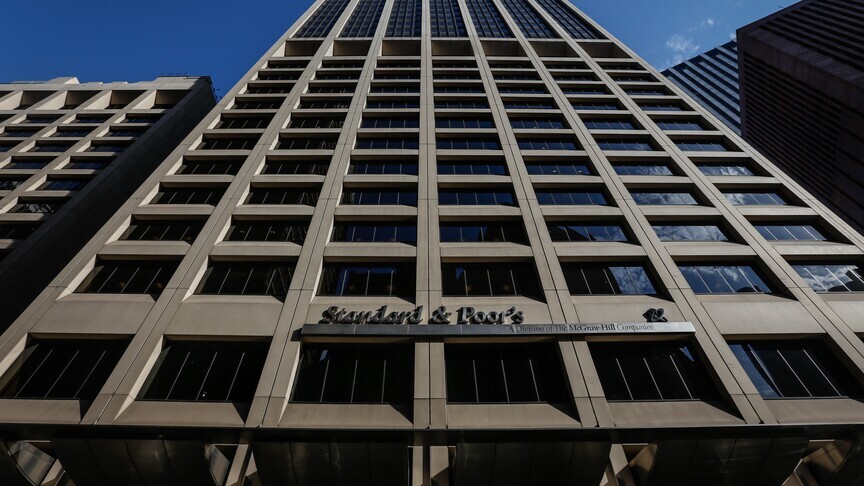
Regina Argenio, head of financial assets at S&P Global, has underlined that financial resources have been monitored and that banks in Turkey may be more likely to release credits in the future, given that current interest rates are high. 'It could be better in the future if interest rates were reduced, and we see this transfer in prices, debts, and credit risks could lead to positive developments,' she added. She also noted that net interest margins are expected to improve in the future and that foreign currency financing costs could increase based on interest rate dynamics, but the outcome will depend on the duration and pace of disinflation. 'For the future economic stability, if the country manages to keep a controlled inflation and create confidence in the economy, and thus produce a more resilient and stable market environment, with less risk of changing expectations, it could be a significant improvement in asset-oriented results, especially considering nominal yield, but in real terms, if everything goes well, we could see improvements in yield results.' The Turkish direction has emphasized that financial security is important and that Turkish inflation is improving, contributing to the stability of the banking sector.
The news that matters, every morning.
Ricevi una selezione ragionata di business, mercati e innovazione.
