
BMag Signal · In 30 seconds
Critical readWhat happened. A Conversation at Bali's Nusa Dua Forum Highlights Flexibility and Stable Energy as Key Elements of Digital Transformation
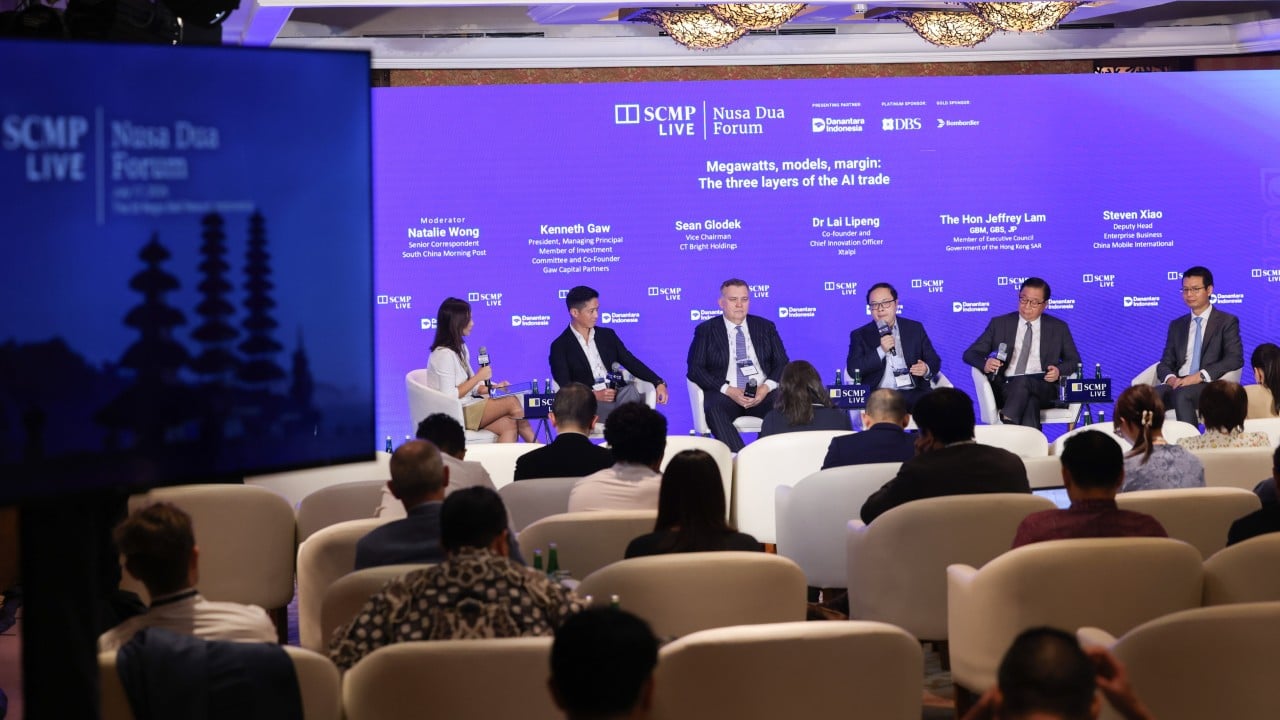
The Comparison Took Place in Indonesia During the First Edition of the Nusa Dua Forum. The Initiative Was Organized by South China Morning Post Alongside Danantara Indonesia, an Indonesian Sovereign Fund. Participants Discussed the Economy Linked to Artificial Intelligence and Changes Introduced by New Technologies into Production Processes and Factory Management.
According to What Emerged from the Forum, Small-Scale Realities in China Show Greater Disponibility to Integrate Advanced AI Solutions. The Proposed Comparison Concerns Mainly the Speed of Adoption Relative to Large Companies, Without Quantitative Indications Regarding the Number of Involving Enterprises or Sustained Investments.
Zhou Yuxiang, Founder and Managing Director of Black Lake Technologies, a Software Industry Company Based in Shanghai, Illustrated This Tendency During One of the Panels. Zhou Reflected That His Company Had Modified Its Commercial Orientation, Shifting Attention Towards Small and Medium-Sized Enterprises, As Well as Family-Related or Independent Activities. According to the Director, This Decision Was Taken in Response to Market Demand. Available Information Does Not Specify Which Applications Require More Frequent Use, Nor Indicates Specific Industrial Sectors.
Black Lake Technologies' Change in Strategy Is Presented as a Signaling Point for Greater Receptivity Among Minors-Dimensioned Operators. A Discussion at Bali Highlighted This Capability of Adaption as Central to Digital Transformation. For Relators, Agility in Modifying Process, Tools, and Priorities Would Contribute to Determining Winners in an International Competition on Artificial Intelligence. No Systematic Comparisons Were Provided Between Countries, Companies, or Productivity Levels. Stable Electricity Supply Was Also Cited As a Conditional Element for Developing an Economy of AI. No Data Was Provided On Consumption, Energy Capacity, or Costs Sustained By Enterprises, But The Theme Was Placed Between Structural Factors of Global Competition.
A Case Study of Chinese Small Businesses Suggests That Dimension Doesn't Always Coincide with Faster Technological Adoption Speed. Small-Family-Owned Or Independent Enterprises May Show Rapider Responses To New Equipment Availability, While Large Organizations Result Less Prone In Described Comparison. Sources Do Not Specify Organizational or Financial Reasons Behind This Difference.
The Discussion Has Introduced AI Adoption Into An Even Broader Scope Of Digital Factory Transformations. The Proposed Comparison Did Not Limit Itself Only To Technology Disponibility, But Considered Capabilities of Companies Introducing Them Into Their Own Activities. Details Regarding Effects Already Produced In Terms Of Efficiency, Occupation, Revenue, or Competitiveness Internationally Remain Absent. A Nusa Dua Forum Basis Is Founded Upon Observations From Involved Directors And Commercial Experience Described by Black Lake Technologies. Available Information Does Not Include Any Independent Statistical Studies Or Data Sets Measuring Entire Chinese Economy.
Greater Propensity Among Minors-Dimensioned Enterprises Must Be Read as Market Formulation By Present Operators. Remaining Clarifications Concern Diffusion Effectively Of Advanced Applications, More Co-Involuted Compartments, and Divaric Adaption Rate Between Small and Large-Age-Based Companies. Further Investigation Will Be Necessary to Verify How Flexibility and Stable Energy Influence Economic Outcomes.
The news that matters, every morning.
Ricevi una selezione ragionata di business, mercati e innovazione.