
BMag Signal · In 30 seconds
Critical readWhat happened. The Labour Party is formally requesting the regulator to investigate two companies operating without licenses in the UK, due to accusations of failing to comply with industry regulations.
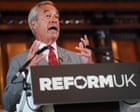
The Labour Party has formally requested the regulator to investigate two companies operating without licenses in the UK, due to accusations of failing to comply with industry regulations. This situation has worsened following the Sunday Times publication of a detailed report on connections between Reform UK donors and the companies in question. A letter sent by President Bridget Phillipson to the Gambling Commission highlights that Tether.bet, a Montenegro-based company, and Fispay, a British entity linked to data protection officer Mowbray Jackson, may have provided gambling services without authorization.
The legal context is clear: providing gambling services without a license is illegal under the Gambling Act 2005. Christopher Harborne, a crypto billionaire, donated £5 million to Farage, but his payment activity via IFX is already under review. George Cottrell, a former fraudster convicted, has been identified as an active customer of Tether.bet, making the situation even more delicate for the commission.
Jackson's company stated that its service was limited exclusively to the private aviation sector, while Cottrell denied requesting customers for any betting company. However, Phillipson's letter is much more direct, explicitly asking whether these companies have provided or promised gambling services to British consumers without the necessary license. The accusations do not only concern failing to comply with rules but also touch upon public reputation.
The Cottrell company has already issued a closure on its website on August 12, and its presence as a customer of a site processing payments for other companies is a significant risk factor. The commission will now have to decide whether these companies have provided or promised gambling services to British consumers without the required license. Political pressure is strong, with the Labour Party seeking immediate transparency.
Phillipson's letter concludes with a call to responsibility, inviting the commission not to make excuses and to provide clear explanations to citizens. The issue is not only technical but concerns trust in the regulated market and consumer safety in a high-risk sector. The chronology shows a series of events leading to this crisis.
After the Sunday Times report, the commission received Phillipson's letter on August 18. The companies in question responded in contradictory ways, with one closing the site and another denying providing gambling services. The commission will now have to decide whether to proceed with a formal investigation or accept the complaints.
Future developments will depend on the commission's response and evidence gathered. If evidence of unlicensed activity is discovered, companies could face heavy penalties and irreparable reputational damage. Conversely, if the commission finds everything in order, the situation could normalize quickly.
The sector's governance will be tested by this new crisis, with implications for all gambling service providers in Europe.
The news that matters, every morning.
Ricevi una selezione ragionata di business, mercati e innovazione.