
BMag Signal · In 30 seconds
Critical readWhat happened. US Treasury activities pushed gold prices to a new monthly record.
August's 10% growth is driven by institutional buying and a reduction in geopolitical risks. The financial market saw a 10% rise in August, representing the fastest monthly growth in the last seven months. This performance contrasts with a series of positive data points that characterized the period.
According to the source, the expansion of long-term Treasury purchase operations created an environment of relative uncertainty. The main dynamic was driven by three converging factors: the expansion of purchase operations, the reduction of geopolitical risks, and the deceleration of inflation in the United States. The source specifically noted that American inflation slowed, while unemployment in the country decreased, reducing expectations of Fed rate hikes.
The war between Israel and Iran, which had begun to end by the end of February, contributed to reducing expectations of a rate increase. The source indicates that due to this situation, demand for the US dollar increased, while selling pressures in commodity sectors decreased. Gold prices fell 11.3% in March, 1% in April, 1.8% in May, and 11.7% in June, before starting an increase of 0.9% in July.
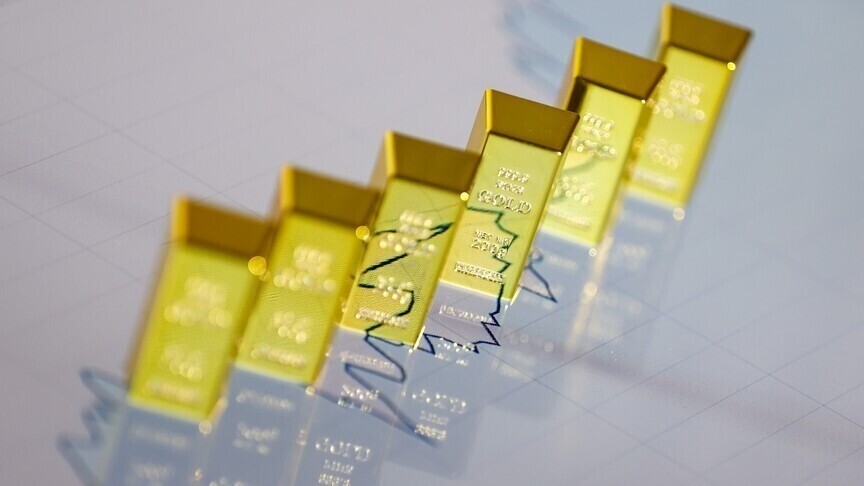
The source confirms that the 10% growth in August was the first time the price reached this level in seven months. The source specifically notes that gold prices rose to $4,449 per ounce at the end of the month, while tin reached $66.5 per ounce. The 15.4% tin growth was the fastest in seven months, following the same support logic for rates.
A futures and commodities market expert, Zafer Ergezen, confirmed that the Treasury announcement pushed gold prices, along with major central bank purchases. The source cites the purchase of 19 tons of gold by the People's Bank of China, which could continue in September. The source concludes that gold prices could have been the result of a reactive purchase, given that rates, dollar yields, or oil prices did not fall significantly.
The 10% growth in August is therefore driven by institutional buying and a reduction in geopolitical risks, not by a decline in base prices.
The news that matters, every morning.
Ricevi una selezione ragionata di business, mercati e innovazione.