
BMag Signal · In 30 seconds
Critical readWhat happened. The union had already warned Hyundai that any robot deployment would have to be negotiated.
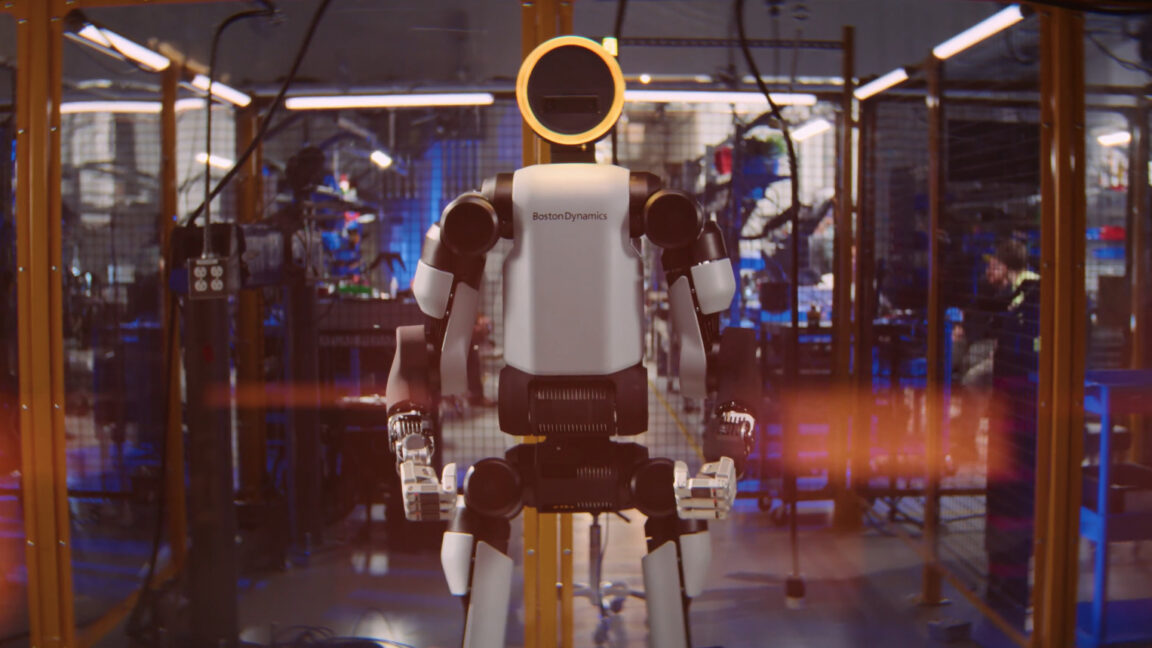
The automaker has denied reports of talks between workers and management over potential robot deployments at its South Korean factory, which is currently on strike. According to Hyundai Motor Company, its plan to deploy humanoid robots by 2028 does not enter into current negotiations with striking workers. The company contests news suggesting partial strikes induced by the union's demands for better pay, bonuses, and pensionable age increases for employees. "The possible employment of robots in our corean factories does not enter into current discussions between the company and the union," said an official statement shared with Ars.
The most significant signs so far indicate competitive pressure and demand. For companies, it's not just about growth volume; quality revenue, client portfolio retention, and net profit margin sustainability matter now. In the short term, commercial execution remains decisive: entry times, channels, and market selection could determine difference between expansion and contraction margins.
The company denies news suggesting partial strikes induced by the union's demands for better pay, bonuses, and pensionable age increases for employees. "Hyundai Motor Company maintains its commitment to constructively negotiate with the union and reach a deal protecting both employee and company interests." The company noted that its current plan only involves initial robot deployment - Atlas presso Metaplant America, an electric vehicle manufacturer near Savannah, Georgia, starting from 2028. "Decisions regarding future Atlas deployments at other facilities will be made carefully, based on local operational needs and dialogue with employees and labor representatives." For companies, it's not just about growth volume; quality revenue, client portfolio retention, and net profit margin sustainability matter now. In the short term, commercial execution remains decisive: entry times, channels, and market selection could determine difference between expansion and contraction margins.
The news that matters, every morning.
Ricevi una selezione ragionata di business, mercati e innovazione.