

BMag Signal · In 30 seconds
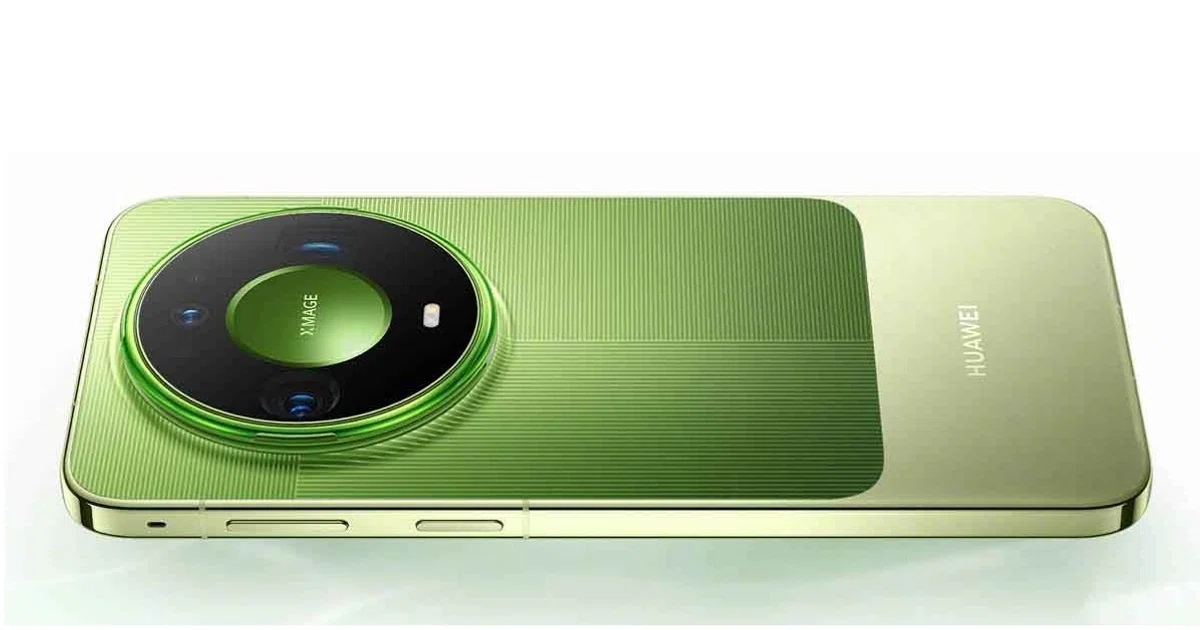
Critical readWhat happened. The launch of the new Huawei Mate 90 model represents a significant step for the group, with the aim of maintaining its competitiveness even in the face of US restrictions that have limited access to advanced semiconductor components. In conversation with the events, Huawei's consumer business director Richard Yu emphasized the importance of adapting strategies to increase performance without only relying on external components. This move highlights the company's will for autonomy and innovation.
Despite US restrictions, Huawei aims to maintain market momentum through innovation and self-reliance. The Huawei Mate 90 launch on October 1 (Day 1) represents a new offering from the group to showcase its performance capabilities and customer experiences. The event takes place as the group faces challenges due to US restrictions that have prevented it from acquiring advanced semiconductor technologies, requiring alternative methods to improve processor power.
An important aspect of the Mate 90 model is the use of the Kirin 9050 Pro chip developed by Huawei, which utilizes a technology called 'LogicFolding'. This technology reorganizes the internal structure of a chip into three dimensions instead of a two-dimensional layout, allowing for higher density and processing speed. However, this technology requires more production capacity, highlighting the complexity of producing high-quality components domestically.
Huawei has also introduced HarmonyOS 7, an operating system that supports over 450,000 applications and services, demonstrating the company's will to create an ecosystem tailored to customer needs. Nevertheless, the group continues to be limited by supply chain issues, particularly those used in AI processors like Ascend 950. Huawei is positioning itself as a leader in the southeastern Asian region, where memory prices are pushing companies towards premium models.
This transformation reflects the general trend of increasing costs and reducing deliveries in the telecommunications sector, necessitating higher prices and focusing on premium offerings. The Huawei Mate 90 aims to maintain market momentum, but it is evident that Huawei will continue to face significant obstacles in overcoming US restrictions.
The news that matters, every morning.
Ricevi una selezione ragionata di business, mercati e innovazione.
