
BMag Signal · In 30 seconds
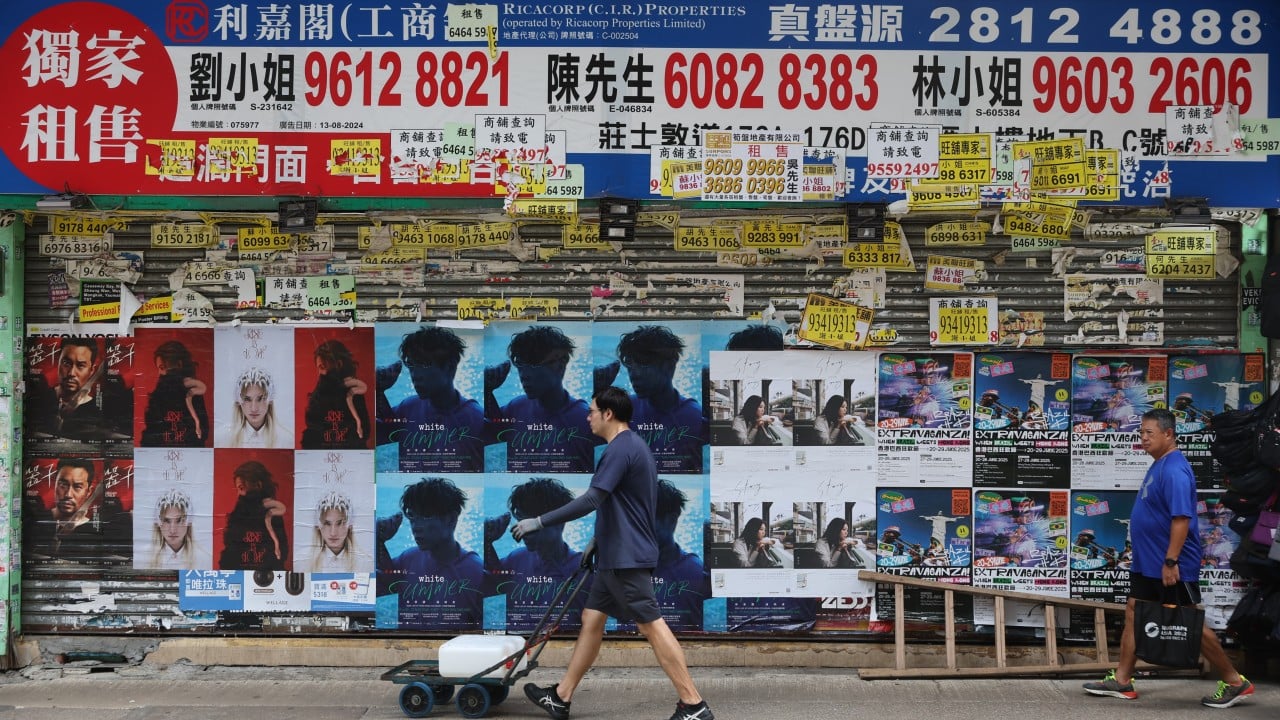
Critical readBusinesses in Hong Kong are still struggling to make ends meet despite a growth in sales over the first five months of 2026. According to the South China Morning Post, several shops have closed down and many operators claim they cannot recover their revenue, despite attempts at adapting strategies. The positive data from the start of 2026 does not outweigh the persistent pressure on business accountancy.
Operators attribute difficulties to an overall economic situation and competition on prices. To attract customers, shop owners argue that they must practice continuous discounts, which would negatively affect margins and, in some cases, losses. In this context, they ask property landlords to reduce rent for alignment with local costs and capacity to generate profits.
The reading of locators is different. According to the daily, property owners believe the market for commercial space is recovering and are generally willing to offer only small reductions, including between 10% and 20%. In certain areas, including specific shopping centers, rents are being increased instead.
The distance between these two positions makes negotiations more difficult. Tensions are particularly evident in the restaurant sector. Michael Leung, president of the Association for Hong Kong Catering Services Management and owner of multiple restaurants, has described conditions as unfavorable.
According to Leung, already by 8 pm streets register very little presence of people, while the industry is involved in aggressive price-cutting competition. Leung has also linked part of the difficulties to movements towards mainland China during longer holidays. During those periods, he said over 500,000 people leave Hong Kong, subtracting demand at local restaurants.
This assessment comes from one available source and no further conflicts indicated in the article. For five of his restaurants, Leung's monthly exits for rent, air conditioning, and administrative expenses amount to HK$1.6 million (approximately US$204,000), which represents about 20% of total business spending. At this incidence, Leung believes indispensable a reduction of rent compounding between 20% and 30% to ensure survival of businesses.
The threshold reached thus exceeds what property owners would be generally prepared to offer discounts on. Leung has already closed one of his activities. He ceased operating Lucky Dragon Palace Restaurant in October, a place known as a point of contact for television personalities.
Closure interrupted an activity lasting 45 years. No source specifies whether decision was made solely based on real estate costs or combination of factors. Difficulties do not only concern restaurant sector.
Edward Chan, founder of German Pool electronics manufacturer with headquarters in Hong Kong, mentioned online sales growth causing pressure on traditional retail stores. Shops must sustain costs of premises while some purchases shift onto electronic commerce. Chan sought negotiations on rent reductions without yet reaching agreement.
According to him, property owners refuse general to lower rents. His experience fits into described economic situation but contradicts locators' view that market is recovering. Remaining unclear if increase in sales at retail level registered early will consolidate and become more uniformly in shops and restaurants.
South China Morning Post does not signal overall agreements on rent: operators ask for bigger cuts, while landlords maintain limited concessions or, in certain structures, raise rents.
The news that matters, every morning.
Ricevi una selezione ragionata di business, mercati e innovazione.