

BMag Signal · In 30 seconds
Critical readWhat happened. Rome's authorities have responded to the challenges posed by the rise in automobile tourism. Policing has intensified to manage the tuk-tuk and golf cart traffic, which has been banned from popular areas like Piazza Navona, Pantheon, Circus Maximus, and Spanish Steps. The operators of these vehicles are accused of irrational competition with public transport, while some journalists criticize the government's regulatory policy as 'preservation of heritage.' The impact on Rome's streets has been significant. Ancient spaces and narrow roads have become too small for passengers, leading to an increase in accidents and safety issues. Traffic has also significantly increased, creating a real urban chaos. Some residents of Rome have tried to oppose the proliferation of these vehicles, asking for their elimination or regulation. But the local authorities preferred a temporary solution, such as punishing law violations. The mobility crisis in Rome is not just a problem of tourism but also preservation of historical and cultural heritage of the city. The Roman authorities need to find a durable solution that respects the environment and the history of the capital. An integrated approach would be necessary: public parks where tuk-tuks and golf carts can be displayed, promotion of alternative modes of transportation, and technological solutions to better manage the use of automobile tourism vehicles. The best solution could be a moderate tolerance system that allows tourists to use these vehicles under specific conditions, such as limited speed limits and rigorous control over their circulation. This way of proceeding should have been considered by local authorities, but so far no definitive answer has been given.
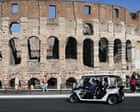
Rome's authorities have responded to the challenges posed by the rise in automobile tourism. Policing has intensified to manage the tuk-tuk and golf cart traffic, which has been banned from popular areas like Piazza Navona, Pantheon, Circus Maximus, and Spanish Steps. The operators of these vehicles are accused of irrational competition with public transport, while some journalists criticize the government's regulatory policy as 'preservation of heritage.' The impact on Rome's streets has been significant.
Ancient spaces and narrow roads have become too small for passengers, leading to an increase in accidents and safety issues. Traffic has also significantly increased, creating a real urban chaos. Some residents of Rome have tried to oppose the proliferation of these vehicles, asking for their elimination or regulation.
But the local authorities preferred a temporary solution, such as punishing law violations. The mobility crisis in Rome is not just a problem of tourism but also preservation of historical and cultural heritage of the city. The Roman authorities need to find a durable solution that respects the environment and the history of the capital.
An integrated approach would be necessary: public parks where tuk-tuks and golf carts can be displayed, promotion of alternative modes of transportation, and technological solutions to better manage the use of automobile tourism vehicles. The best solution could be a moderate tolerance system that allows tourists to use these vehicles under specific conditions, such as limited speed limits and rigorous control over their circulation. This way of proceeding should have been considered by local authorities, but so far no definitive answer has been given.
The news that matters, every morning.
Ricevi una selezione ragionata di business, mercati e innovazione.
