

BMag Signal · In 30 seconds
Critical readWhat happened. The high financial pressure has made it clear that companies in Asia face significant challenges in the field of AI. This issue has become so serious that it could lead to the suspension of the AI boom in the future.
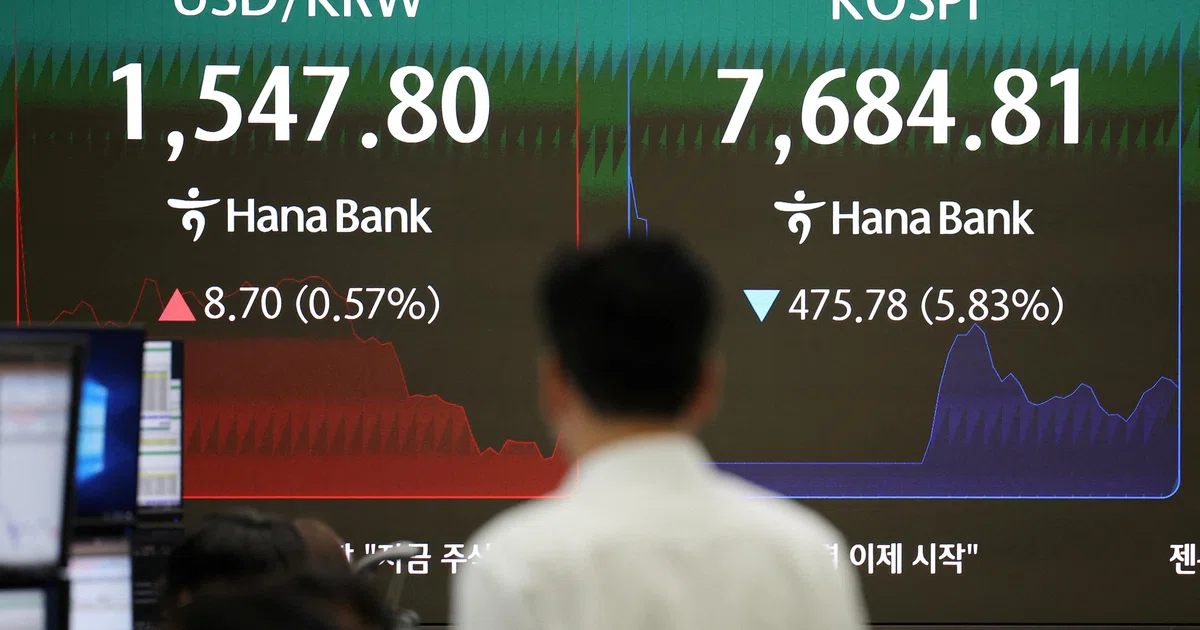
The pressure on financial costs is helping explain the selling off of Asian technology stocks. Recent indications of this crisis have been observed over the past few days with significant increases in interest rate tensions. Data shows that the prices of Goldman Sachs Group's stock index, which includes baskets of AI hardware stocks, have fallen by more than 11% since last month, representing the highest loss from when the August 2026 record was registered.
According to Jian Shi Cortesi, founder of GAM Investment Management, 'Interest rates are growing like gravity for the boom of AI.' 'The pressure on financing costs is similar to the gravitational pull for the boom of AI,' he said. 'Financing costs can make it harder for project infrastructure funding perspectives and may also slow down spending.'
Moreover, a delay can lead to disappointment regarding earnings expectations and evaluations of hardware companies.' The case of Nan Ya Plastics, one of the largest integrated circuits companies in Asia, has been particularly affected by financial circumstances. Its stock fell at least 12% from last month, marking its highest loss since August 2026 when the record was set. Another company, UniMicron Technology, saw a loss equaling 14%, while Samsung Electro-Mechanics lost 23%. This financial crisis is not just about the demand for AI chips but also how much it will turn out with investments in this sector. CoreWeave's stocks, which are among the first companies in the new cloud segment, have been involved in the sector's selling off, with their prices plummeting as low as figures indicating severe stress.
Its shareholders have seen a loss of 12% of their shares, marking the highest loss since August 2026. According to Cortesi, "The problem is not just whether the demand for AI chips will be enough or not. It's if companies can continue to finance the infrastructure necessary for its implementation." "Goldman Sachs Group's stocks, which are baskets of AI hardware stocks, have lost at least 11% from last month, representing the highest loss since August 2026." Additionally, data shows that financial costs are rising and could lead to the suspension of the AI boom. The case of CoreWeave has shown that financing costs have become so high that CoreWeave's infrastructure projects have begun to be difficult to fund and have slowed down spending.
Moreover, a delay can trigger expectations of profit and valuation for companies in the hardware sector. Financial pressure is not just a threat to AI but also to the future of Asia. This financial crisis could lead to the suspension of the AI boom in the future, causing a delay in AI growth and a delay in revenue collection.
The news that matters, every morning.
Ricevi una selezione ragionata di business, mercati e innovazione.
