
BMag Signal · In 30 seconds
Critical readWhat happened. La situazione finanziaria del settore energetico nell'economia eurocristiana si sta rivelando più drammatica che mai.
The European economic crisis has become a political-social issue.
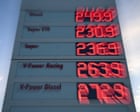
In Germany, for example, fuel expenses were already high before the geopolitical upheaval; now that they have been further increased by Iran's border attacks, these figures are extreme. This phenomenon can be attributed to increasing social pressure due to global economic and technological development, where many Western countries choose to ignore it as if it is just an ephemeral release. The motorists pay road fees through their contribution towards highway networks (which then turn into taxes), while other elements include possible energy surcharges or even additional charges from oil companies.
However, it is clear that these systems work poorly when dealing with energy production sectors. The need for an international reform of energy production has led to the insertion of a deal aimed at reducing negative environmental effects caused by intensive use of fossil fuels. Individual choices can be considered "cost-effective" from an economic perspective but represent instead great social responsibilities if we think about long-term consequences. A global integrated development among various Western countries' elements must take into account every single element in managing the general state of society and economy.
This implies coherence regarding public financing, maintaining stable diplomatic relations, and continuous efforts towards finding new productive means that can provide secure support for end consumers without further harming the environment.
The news that matters, every morning.
Ricevi una selezione ragionata di business, mercati e innovazione.