

BMag Signal · In 30 seconds
Critical readWhat happened. In recent years, China's automotive industry has faced significant challenges due to weak domestic demand and regulatory transformations. However, large exports have become a key driver of growth, particularly for electric vehicles (EVs) and hybrid models. This article analyzes how these factors are shaping the future landscape of China's automotive industry.
In Italy, the automotive industry has been strengthened by robust exports while facing regulatory challenges. Robust exports are supporting China's automotive industry against a weak domestic market demand, even though regulatory changes and pressure on profitability may limit future development in 2027. The credit rating agency Fitch has forecast that local car sales will fall by around 20% in 2026, followed by a small recovery of about 16% in 2027 due to productivity improvements and accelerated purchases of new electric vehicles (NEV) before the tax holiday ends.
The internal market initiative has seen a 24.5% decline in the first three quarters of 2026, while deliveries have dropped by 5.8% in the final week. The adoption of artificial intelligence (AI) and penetration in the market for new zero-emission (NEV) cars reached 65.8%, while the adoption of gasoline engines remained under control, according to the research results. Export has maintained its leading position in the national automotive sector, as reported.
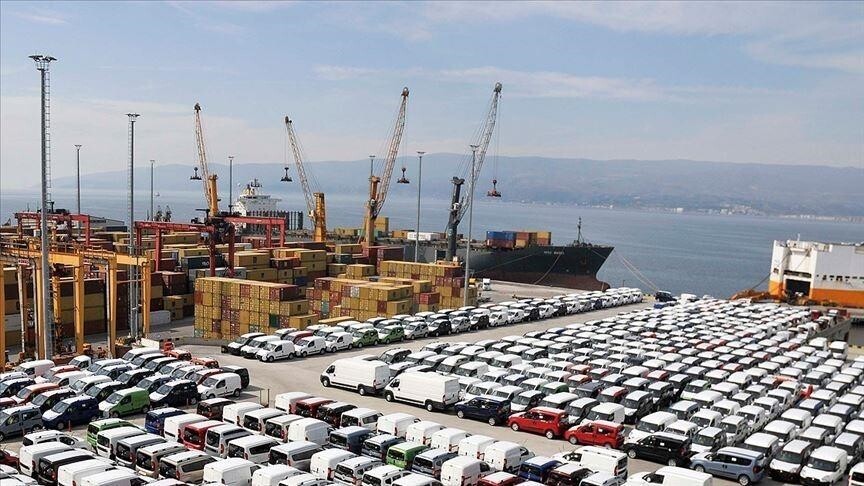
We start with the information that the number of exported passenger cars has increased by 72% over the past quarter, reaching a total of 2.7 million units. This growth has had NEVs (new electric vehicles) as a key component, representing approximately 59% of external orders from automobile manufacturers, as per the classification credit agency. The supply chain is expected to maintain a strong activity in the coming weeks or months, as producers are accelerating their deliveries before regulatory changes.
The growth of exports is expected to significantly slow down in the future year due to potential import quotas on products built in China that will start being exported to Europe in the second half of 2026 and the reduction of export tax on NEVs (New Electric Vehicles) in Italy from 13% to 9% starting April 2027, as indicated by the agency. The growing demand from emerging countries and the extension of European production lines are expected to mitigate some of the negative impact, as added. The industry continues to maintain fragile financial margins, with an operating income decline of 23% in the automotive sector in China from January to September, as per Fitch.
The operating income has fallen to 3.3% during the nine-month interval and to 1.4% in September, as shown by the report. However, the automotive section of the region continues to register significant growth thanks to robust exports. This phenomenon is particularly evident in the electric vehicle segment, where China has emerged as a global leader.
The production of electric vehicles in China exceeds that of other major competitors, including Europe and Japan, making it a significant part of the zero-emission car market globally. The success of the electric vehicle segment in China can be attributed to various causes, including government advantages, technological advancements, and favorable economic conditions. These factors have allowed China to maintain its dominant position in the electric vehicle market, even though it faces challenges due to weak domestic demand and regulatory transformations.
The future prospect for China's automotive industry remains uncertain due to various factors such as regulatory changes, geopolitical tensions, and economic uncertainties. However, resilience and adaptability have been fundamental for navigating through these challenges. As the industry continues to evolve, it will be essential for companies to adopt new technologies and strategies.
This includes investing in research and development, improving production chain management, and enhancing customer experience through innovative advertising campaigns. In this way, Chinese automobile manufacturers can continue to capitalize on the high demand for sustainable and efficient transportation solutions, ensuring their continuity in the global market. In conclusion, while the automotive industry in China faces numerous difficult developments, robust export growth supported by strong domestic demand is expected to continue determining the future style of the industry.
This trend is likely to persist in the coming years, offering opportunities also to established entities and emerging competitors. As the industry continues to evolve, it will be important for those that remain adaptable and innovative, ensuring their continuity and success in an increasingly changing automotive landscape.
The news that matters, every morning.
Ricevi una selezione ragionata di business, mercati e innovazione.
