
BMag Signal · In 30 seconds
Critical readWhat happened. The program involves around 60 talent, focusing on under 36 and gender balance.
The course will be accompanied by evaluations and monitoring. The new school aims to prepare a generation of leaders capable of reading complex scenarios and transforming analysis into decisions with concrete effects. The project focuses on governance change capacity, where energy transition requires companies to have increasingly integrated industrial, organizational, and strategic competencies.
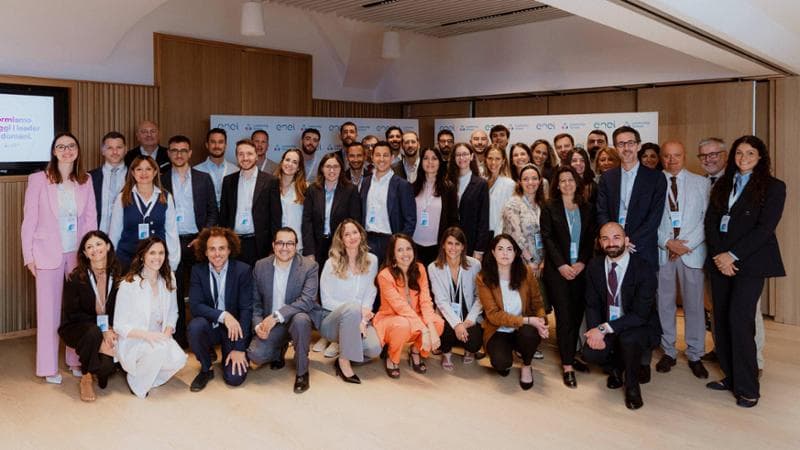
The first edition started in Italy in June, with over 120 hours of activity distributed across eight months. Participants are approximately 60 and belong to the emerging leader plate and high potential profiles identified within the guided group led by Flavio Cattaneo. A significant presence of young people under 36 years old is expected.
Enel has also paid attention to gender balance, although no data is available regarding the distribution between men and women nor the number of participants falling into the considered age range. This data remains unavailable. The program is presented as an instrument to strengthen leadership and support company competitiveness, rather than just a set of lessons.
The formation should help participants manage contexts described as challenging and evolving, maintaining orientation towards sustainability. At the base of this initiative lies the willingness to transform experience accumulated from Enel into usable knowledge in company decision-making. The group operates for more than sixty years and today presents itself in twenty-seven countries, according to the source.
The school should make use of this heritage to create value for the activities of the group and its territories. One specific element of the course involves verifying results. Tools of self-evaluation and monitoring moments during the eight-month activity period are planned.
The intention communicated aims to accompany development of participants over time and measure impact of training without limiting evaluation only at lesson conclusion. The teaching body reunites internal and external figures to the company. Alongside directors and executives of Enel, contributions from experts coming from companies, universities, and cultural world are anticipated.
In the scientific committee, Sda Bocconi, Luiss Business School, and Sapienza professors figure, according to what reported by Repubblica. The combination of managerial competences internal and academic perspectives responds to the objective of broadening analysis tools of participants. No details available regarding comparison between different experiences or detailed program of lessons, names of all teachers, or criteria used to select approximately 60 participants.
After Italian launch, Enel plans to extend model to other countries where it operates within a year. Details on calendar extension, involved sites, and total number of people who can access subsequent editions remain unavailable. These elements, together with evaluation outcomes, will be useful to measure effective dimension and international impact of initiative.
The news that matters, every morning.
Ricevi una selezione ragionata di business, mercati e innovazione.