
BMag Signal · In 30 seconds
Critical readWhat happened. A strong El Nino is accelerating drought and flood timelines, with 2026 projections suggesting anomalous temperatures that could severely impact the global economy.
A meteorological event threatening inflation and food market stability. According to the World Meteorological Organization (WMO), the El Nino event is intensifying rapidly, with Pacific surface waters heating up. Anomalous sea surface temperatures are projected to reach 2.9 degrees Celsius, with a peak forecasted for November.
The NOAA agency estimates a probability exceeding 90% of a very strong event between October and December, with a duration extending into the following spring. Economic implications are extensive through agricultural production, consumer goods prices, and energy supplies. According to the ECB, a moderate El Nino could raise the price of real consumer goods inflation by 3% within six months, while a strong event could increase non-energy goods prices by 5%.
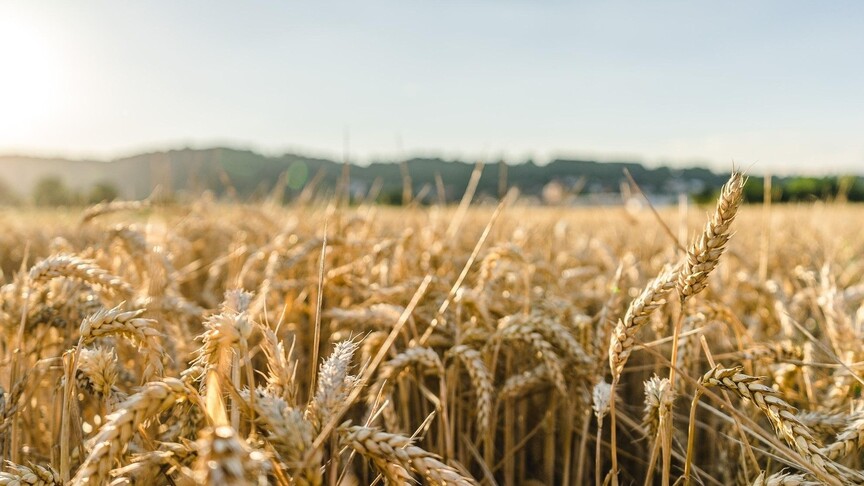
The impact on food production is particularly severe, with rising temperatures potentially pushing global food product prices higher for two years. World Bank estimates indicate a 2.5% increase in food prices in the baseline scenario, but a strong and prolonged El Nino, combined with high energy and fertilizer costs, could raise prices well beyond predictions. Wheat is one of the most vulnerable food products, with production in India, Thailand, and Southeast Asia threatened by weak monsoon rains, while excessive rains in Brazil could reduce harvests.
Morgan Stanley predicts a general increase in wheat prices, but the impact depends on the region of growth and the timing of the rains. Copper is another commodity at high risk, with excessive rains in Chile threatening mining and drought in Zambia reducing hydroelectric production. This could limit electricity availability for mines, increasing pressure on copper prices.
However, milder winters in some regions could reduce natural gas and electricity demand, with positive effects on prices. The complexity of the phenomenon requires constant monitoring to understand whether El Nino conditions will be stronger or weaker than current models. Financial markets are reacting with caution, with central banks closely monitoring food price trends.
The situation could evolve rapidly, with economic consequences that appear unpredictable in the short term. Decision-makers must now carefully evaluate how to manage global price fluctuations in a context of climate uncertainty.
The news that matters, every morning.
Ricevi una selezione ragionata di business, mercati e innovazione.