
BMag Signal · In 30 seconds
Critical readWhat happened. The change in US monetary policy has been influenced by divergent opinions on an Italian Bank of Italy's [BIS] decision that was expected but then negated.
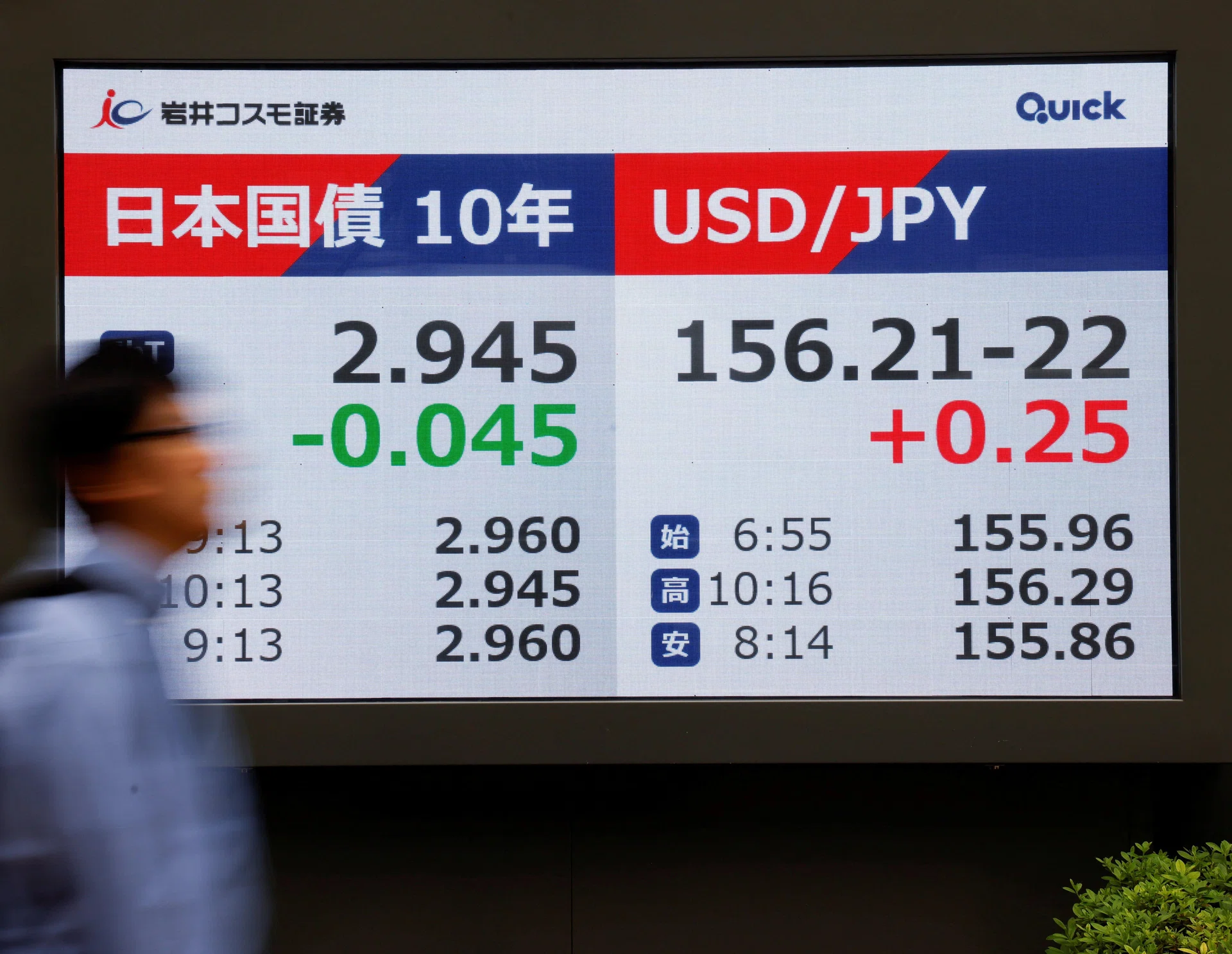
A difference between Japan’s Bank of Japan (BOJ) and Britain’s Inghilterna Federal Reserve has led to a significant increase in the value of the dollar against Japanese yen.
This situation has made it uncertain whether further interest rate hikes are likely from American authorities. Specifically, after raising rates up to their highest levels recorded three decades ago, BOJ maintained its “non-aggressive” stance to evoke doubts about future economic powers. The strategy adopted by investors seems to have been anticipating potential actions based on general inflationary pressure across global economies, especially international financial markets. However, this practice proved unreliable when data showed no strong stimulative measures from the same U. S. government regarding stable interest rates. The final result was positive for foreign countries where the dollar surpassed its weekly record at around 0.5% compared to major currency coins. It is believed that the lack of leadership from Japanese leaders and clear explanations were among reasons behind its rapid growth during the previous summer. Additionally, while many analysts thought such a move would lead to double-digit depreciation against Chinese yuan, these times are now so close as never before: a significant factor pushing towards new monetary policy planning dynamics in America.[NEW YORK] An important change in options over monetary policies presented by the bank inverseer [BOJ], shared also with two most active members of the group, has rendered uncertainty about the likelihood of additional increases expected from American authorities. END FONTI
The news that matters, every morning.
Ricevi una selezione ragionata di business, mercati e innovazione.