
BMag Signal · In 30 seconds
Critical readWhat happened. Hong Kong is investing heavily in digital infrastructure, with the new Cyberport complex representing a turning point for the country's technological economy.
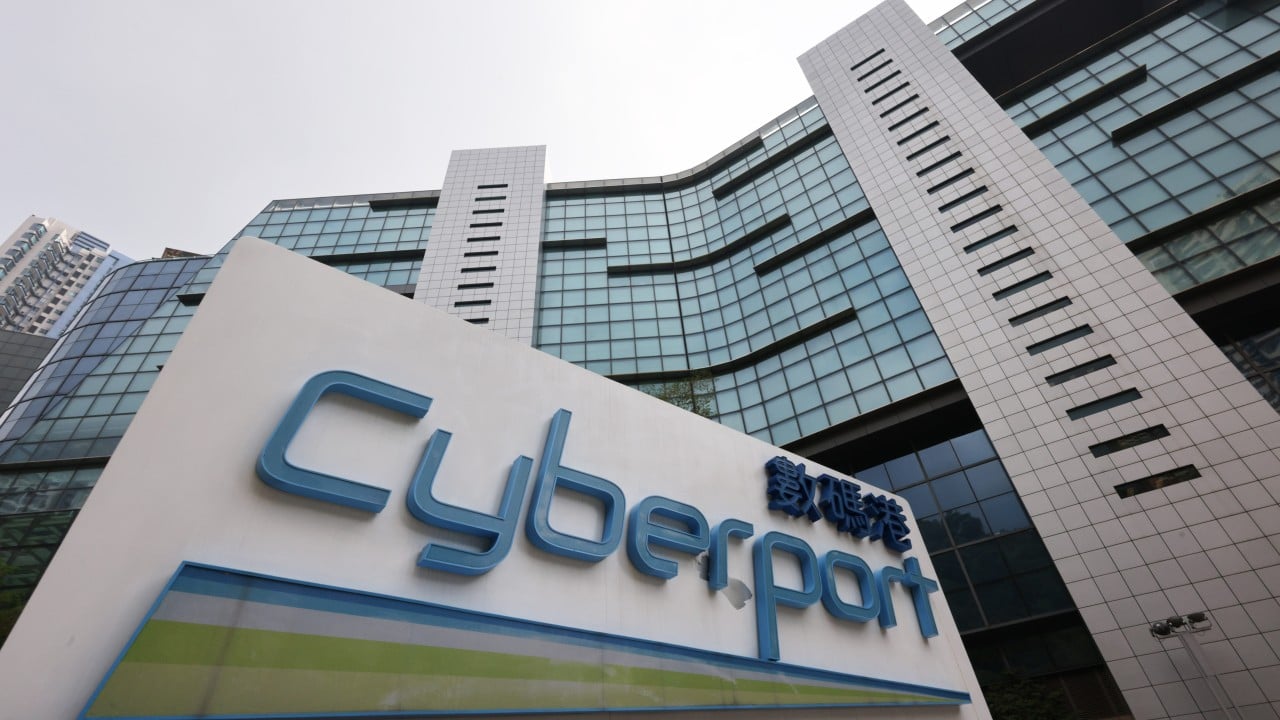
The fifth phase expansion project is complete, and the fintech hub has become a strategic driver for the city's five-year plan. Cyberport's Phase V expansion was officially completed in June, with a total cost of 5.5 billion dollars, according to President Simon Chan Sai-ming's statement. This investment represents a fundamental step for the city, which now must manage the new asset strategically.
The structure, located on a 1.6-hectare plot on the edge of Pok Fu Lam port, consists of a 10-story tower with a total of 66,000 square meters of gross floor area. Construction was finalized to host both collaborative offices and advanced data centers, with 8,600 square meters dedicated to the Level III+ data center. Among the main tenants of the new complex are companies such as Lenovo and BrainCo, a Chinese company that belongs to the Hangzhou "Six Little Dragons" technology cluster.
The presence of these foreign entities has already filled more than half of the available offices, marking a paradigm shift in the composition of the real estate portfolio. According to the source, half of the space dedicated to office and collaborative areas has been occupied by companies of Chinese origin, while the remainder is destined for support and management services. This distribution was communicated by President Chan, who emphasized the importance of diversifying the tenant base for the fintech hub.
The strategic location of Cyberport has been defined as a key driver for the city's five-year plan, with a specific focus on expanding the artificial intelligence industry. The goal is not only to develop AI but also to improve the governance of cross-border data and strengthen technical talent training. The project aligns with Hong Kong's strategy of positioning itself as a global hub for technological innovation, integrating local skills with foreign expertise.
Data cross-border management has become a fundamental pillar, as the city must navigate an increasingly complex and international regulatory environment. Expected developments for the future include the full occupancy of residual spaces and the integration of next-generation computing technologies. The city will now better coordinate public and private investments to maintain competitiveness in the AI sector, with particular attention to data security and regulatory compliance.
The news that matters, every morning.
Ricevi una selezione ragionata di business, mercati e innovazione.