
BMag Signal · In 30 seconds
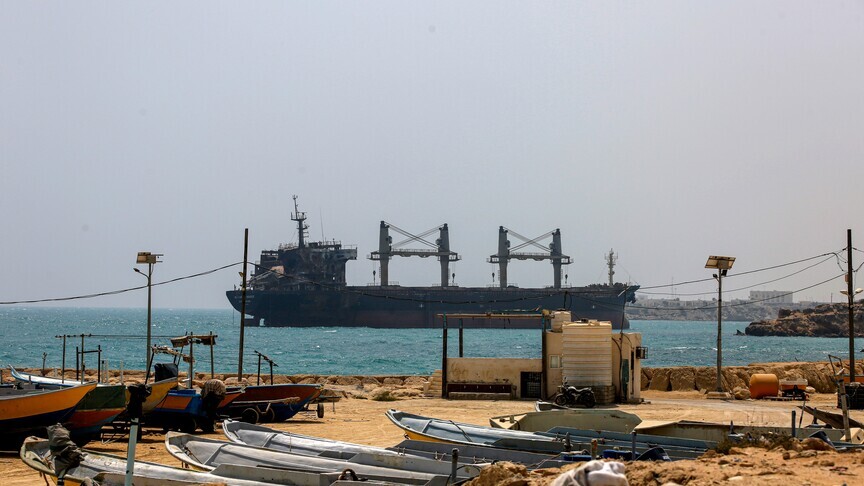
- The interruption of oil and gas flows through the Strait of Hormuz triggered the biggest energy supply shock on record, pushing governments to look for new suppliers, develop national energy sources and accelerate the switch to electricity, the International Energy Agency (IEA) said Thursday.
- The Executive Director of IEA Fatih Birol said that the energy sector and the global economy had proved to be resilient, but the effects of the crisis would deepen for a longer time continued.
- By 2035, that figure could fall below 2 million barrels a day.
The interruption of oil and gas flows through the Strait of Hormuz triggered the biggest energy supply shock on record, pushing governments to look for new suppliers, develop national energy sources and accelerate the switch to electricity, the International Energy Agency (IEA) said Thursday. In its World Energy Outlook 2026, the agency said that the longer the break-up lasts, the more likely governments are to make such changes permanent.
The Executive Director of IEA Fatih Birol said that the energy sector and the global economy had proved to be resilient, but the effects of the crisis would deepen for a longer time continued. In a scenario in which the navigation through the strait remains risky for years, the new pipelines bypassing Hormuz, the supplyings of other producers and the efforts of the importers to curb the demand for oil could reduce the necessary volume through the navigable way from 20 million barrels per day before the crisis to 8.5 million in 2030.
By 2035, that figure could fall below 2 million barrels a day. Even in this extreme scenario, the Middle East would remain the largest oil region in the world, said the agency.
A lasting end to the conflict could change the balance for buyers. Oil and gas supplies could bounce when delayed shipments of liquefied natural gas reach the market, exerting downward pressure on prices even when countries rebuild depleted stocks, said the report.
Renewable energy, in particular solar energy, and nuclear energy are about to gain most while governments give priority to domestic energy supply. Both grow strongly through the scenarios examined by the IEA.
In some regions of Asia, however, countries that import oil and gas, but have large coal reserves, could count on coal for longer to avoid supply disruptions. As global electricity demand increased twice as much as total energy demand in 2019, driven by a wider use of industrial engines, air conditioners, electric vehicles and heat pumps,
The demand for electricity is set to grow faster through 2035, when electricity accounts for almost 30% of the total final energy consumption in all scenarios examined by the agency. The immediate risks are greater for families that are already struggling to afford energy.
The news that matters, every morning.
Ricevi una selezione ragionata di business, mercati e innovazione.