
BMag Signal · In 30 seconds
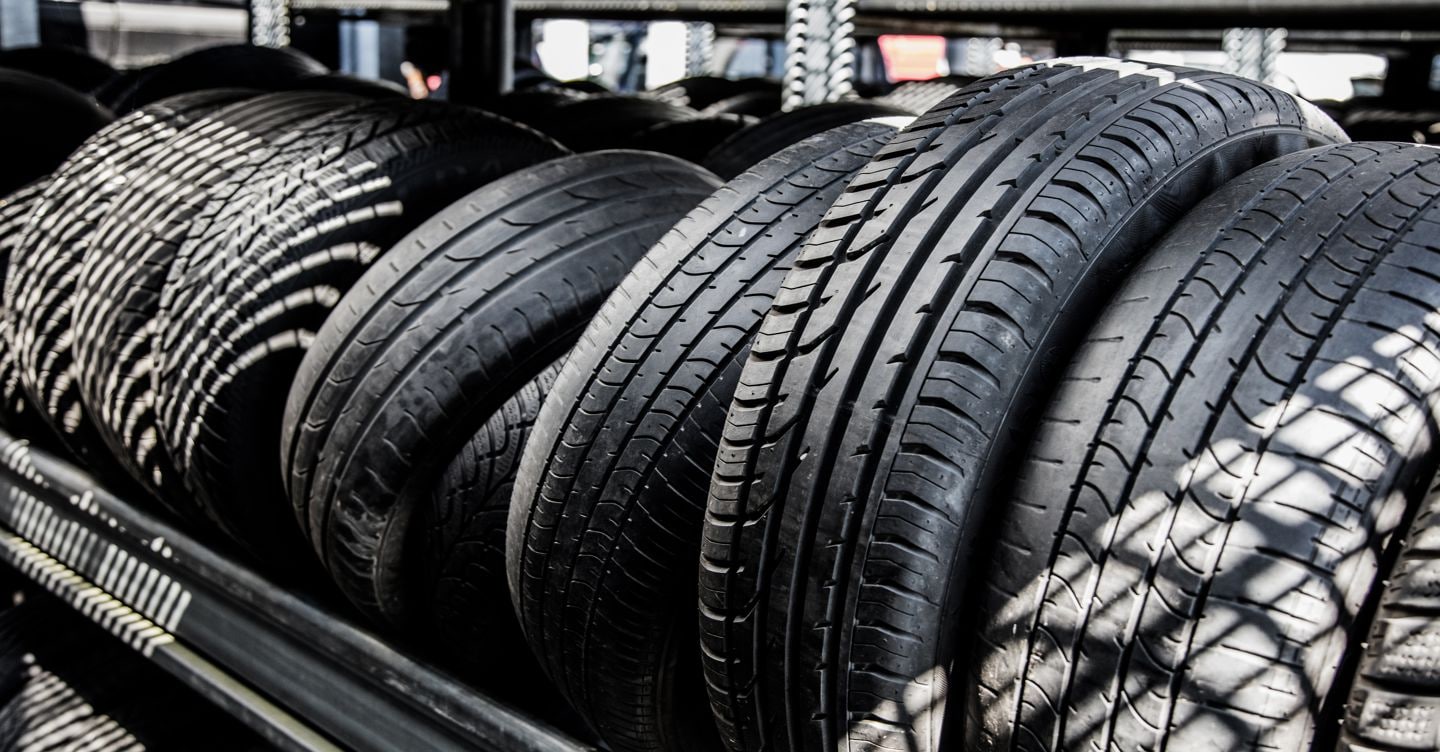
Critical readWhat happened. The increasing need to reduce waste and promote sustainability has led to innovation in the tire recycling sector. In Italy, this process has been manifested through the collection and recycling of used tires, which have seen a significant increase over the past years.
A positive impact on environmental safety and local economies [1] The Ecopneus Consortium has recorded the removal of 125,748 tons of used tires as of August 30th this year, with an advance over the law-established target of 76%. This figure represents a rise of more than 24% compared to 199,408 tons collected in 2025.[2] The provision of virgin raw materials has been replaced by recycling waste, which allowed evasion of 52,000 requests for extraction at 20,382 generation points distributed across all Italian provinces.
This has resulted in increased use of waste that becomes raw material and reduction of virgin material supply, decarbonization, and an increasingly mature recycled rubber market market. [3] In 2025, the system for recovering used tires was equivalent to 188, 853 tons. This number was exceeded in 2026 with the start of the Ecopneus management system, which avoided 131, 138 tons of CO2 equivalent, equal to absorbing 17. 5 million trees. [4] In Italy, every year, around 350, 000 tons of tires from vehicles reaching the end of their life cycle are sent to recycling. It is estimated that there is approximately 3 million tires annually for passenger cars, 2 million for trucks, 3 million for two-wheeled vehicles, and over 300, 000 for industrial and agricultural machinery.
These are just 0.9% of the total quantity, but in terms of weight they exceed 4% by weight, due to their large size. In terms of volume, they fill 198 Olympic swimming pools. In terms of weight, as 1.330 Boeing 747s fully loaded (150 tons each). The 51% becomes new raw material and used in sectors that span from the construction of new asphalt to paving for sports facilities. It is also a recovery system for energy. Beyond the D.s.m. U. Ecofriendly device, it is a continuous protection system designed to be installed on road barriers.
The news that matters, every morning.
Ricevi una selezione ragionata di business, mercati e innovazione.