
BMag Signal · In 30 seconds
- The central issue is the establishment of an agreement that takes into account fossil fuel production, with the need for a shift to renewable sources and the management of methane emissions, a problem that represents a significant challenge for the country.
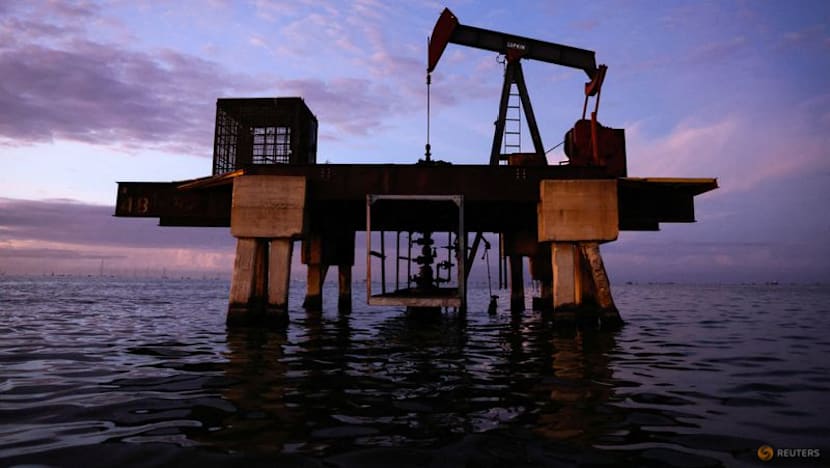
- The photo shows a pompjack of oil at Lake Maracaibo, Cabimas, Venezuela, in 2026.
- Villarroel stresses the importance of reducing waste and emissions, using artificial intelligence (AI) to monitor emissions and improve oil field operations, reflecting Venezuela's argument for a technological approach that reconciles continuous energy production with efforts to limit environmental impact.
The central issue is the establishment of an agreement that takes into account fossil fuel production, with the need for a shift to renewable sources and the management of methane emissions, a problem that represents a significant challenge for the country.
The photo shows a pompjack of oil at Lake Maracaibo, Cabimas, Venezuela, in 2026. The Albania of the Mar Villarroel Gomez said that the policy is not to stop the production of hydrocarbons.
Villarroel stresses the importance of reducing waste and emissions, using artificial intelligence (AI) to monitor emissions and improve oil field operations, reflecting Venezuela's argument for a technological approach that reconciles continuous energy production with efforts to limit environmental impact. Venezuela's oil sector is among the most polluting in the world, with a high production of hydrocarbons.
According to the International Energy Agency, the intensity of upstream methane emissions is almost six times higher than the global average. This is the only major energy producer in Central and South America that has not signed the Global Methane Pledge.
The US government, under Trump's presidency, stepped up pressure to increase Venezuela's oil production, with a significant increase in production in September, according to government data, which indicates about 1.2 million barrels a day.
The state oil company PDVSA plans to increase production to 1.5 million bpd by next year. Venezuelan President Delcy Rodriguez created the place of Villarroel, appointing his Deputy Minister for Artificial Intelligence and Production Efficiency in Hydrocarbons within the Ministry of Popular Power for Hydrocarbons, which oversees the oil, gas and petrochemical sectors of the country.
Villarroel claims that Venezuela will focus on smaller and more specialised AI models rather than energy-intensive hyperscalar systems, as tasks such as emission monitoring, methane detection and oil field optimisation require less computing power.
The news that matters, every morning.
Ricevi una selezione ragionata di business, mercati e innovazione.