
BMag Signal · In 30 seconds
Critical readWhat happened. The global economy has been hit by the effects of technological and political changes recently occurring in the world of work. Specifically, teaching artificial intelligence (AI) has caused a series of concerns that have transformed into fear for many people's future more difficult than before. At the same time, geopolitical conflict as is currently taking place in the Middle East has led to an increase in oil prices pressure on international currency markets.
Geopolitical conflicts and artificial intelligence have influenced financial markets. Global economics is facing new times following recent historical events. The role of scientists and engineers seems increasingly important as we move towards intelligent exploitation of information and automated processes; however, this journey has also brought us to the need to consider additional societal and environmental challenges. The specific case lies in the last months when tensions between Iran and Egypt led to a significant increase in oil prices, thus fueling doubts about globally available energy capabilities.
This impact on the oil industry in the Middle East was not just physically devastating; its psychological and physical effects were equally dramatic, pushing many people to seek alternative energy sources.
Moreover, the significant economic consequences resulting from rising oil prices have made these differences of power between industrialized countries and emerging economies even more evident: while America has benefited from technological changes in artificial intelligence (AI) fields, other countries are suffering a series of disasters caused by their inadequate preparation for this new digital economy. This phenomenon can be interpreted as an example keying into today's global society — where some groups are well placed at advancing towards technical modernization without having to overcome certain difficulties, whereas others communities are being overwhelmed through limited access to necessary means to cope with change. The international financial situation seems to have reacted positively to this geopolitical-military event recently occurring.
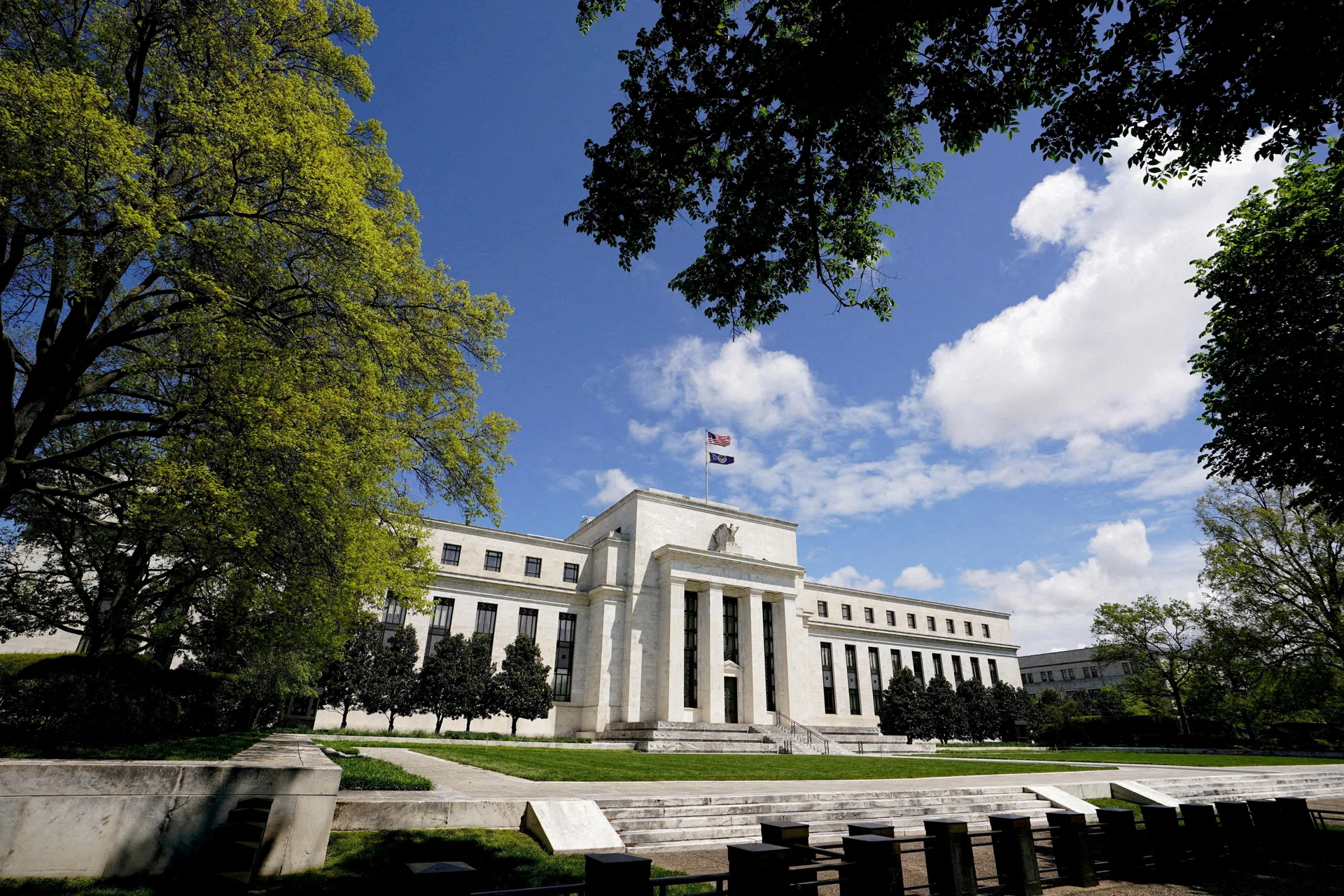
The central bank's role has become increasingly important during current political decisions with the continuous effort to keep the national currency stable against foreign currencies. Specifically, cross-border monetary exchanges between Eastern Africa and the United States have shown significant growth over the past few months, thus marking new opportunities for both employees and businesses.
However, despite these market-positive variations, business affairs continue to deeply concern them. Fear of unpredictable future events is equally prevalent regarding either based on artificial intelligence development or geopolitical consequences. This combination makes it even more difficult to envision the strategies of major global powers' futures.
The news that matters, every morning.
Ricevi una selezione ragionata di business, mercati e innovazione.