
BMag Signal · In 30 seconds
Critical readWhat happened. The Lithuanian airline AirBaltic seeks to save its business by implementing a new restructuring plan.
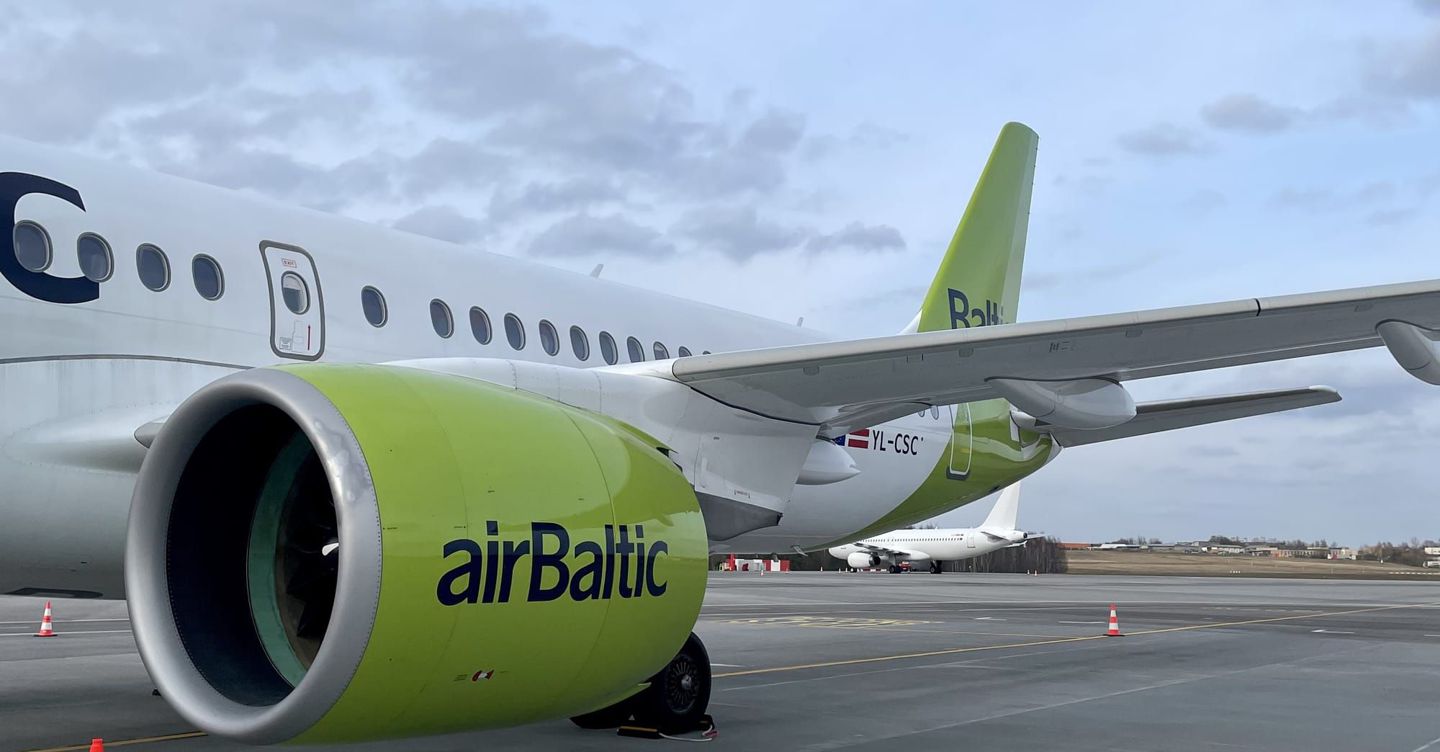
Lithuania's air carrier AirBaltic is seeking to rescue itself from financial difficulties that could lead to immediate bankruptcy. After weeks of intense negotiations with investors, the company has decided to apply for Chapter 11 in the United States, an insolvency procedure allowing it to operate without liquidation immediately.
This decision marks a crucial turning point for a sector already fragile; where external pressures are becoming increasingly evident. The heart of the situation lies in the dramatic increase in operational costs caused primarily by geopolitical tensions between the US and Iran. According to available information, jet fuel prices have doubled as a result of this political tension, creating volatility that directly impacts transportation costs. This dynamic represents the most severe crisis faced by aviation since the pandemic, with operators finding themselves unable to sustain operating expenses even if market conditions improve. The financial situation of AirBaltic was already under pressure before April 2025 when the government had granted €3 million in initial financing to support the company. However, following increases in fuel costs over time, liquidity on the part of the enterprise deteriorated further, leading to discrepancies between income and operational expenditures. The company announced that this new phase of restructuring is necessary to ensure continuity during legal proceedings. In 2025 numbers show net losses for the airline, including a loss of €44.3 million. Despite generating revenue from approximately 5.2 million passengers amounting to €779.3 million, the situation remains unsustainable. A fleet consisting of 54 Airbus planes, which includes more than 80 operational aircraft across Baltics, Europe, and Middle East regions, must be reduced down to around 36 airplanes by end-2026 to contain costs. AirBaltic is majority-owned by the Lithuanian state but its management operations are complex. It serves an extensive Italian market through direct flights to Milan Malpensa, Rome, Naples, Turin, Verona, Pisa, Olbia, and Catania. This capability has been threatened due to the need to reduce the fleet, with a planned reduction expected that will directly impact available air services for Italian passengers. The situation is exacerbated by international competition; AirAsia, one of Southeast Asia's low-cost carriers already facing similar challenges following Spirit Airlines' collapse in May, shows how war could have transverse effects on all global aviation sectors. Tensions between US and Iran do not only affect Europe but create uncertainty scenarios affecting all European airlines. The restructuring plan involves creditors such as Strategic Value Partners, Barclays, Hayfin Capital Management, Morgan Stanley, and Oaktree Capital Management. The company secured commitments worth €350 million from these groups to ensure continuity during the debt restructuring process. Legal supervision provided by the U. S. court guarantees regular flight operation while ensuring compliance with specific conditions of the restructuring.
Source: BMag (Business Magazine) - Business News | English
The news that matters, every morning.
Ricevi una selezione ragionata di business, mercati e innovazione.