

BMag Signal · In 30 seconds
Critical readWhat happened. European universities are experimenting with a new interactive digital learning model.
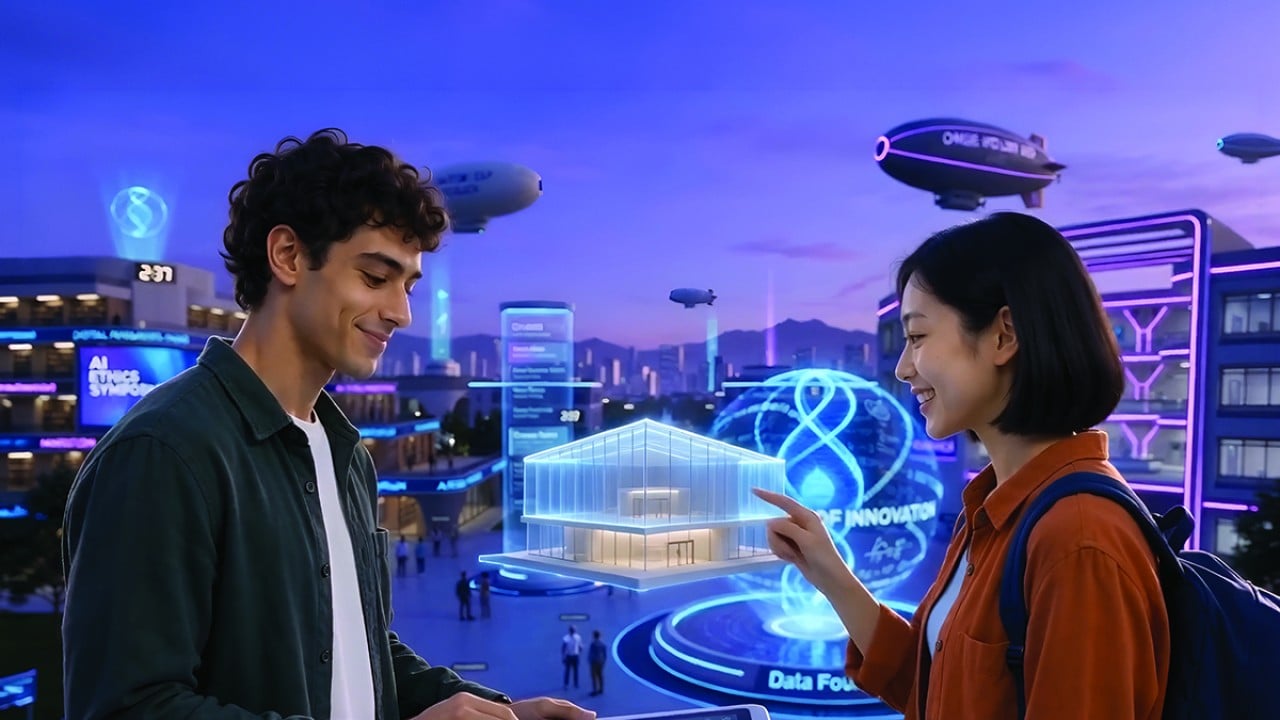
The CLASSy World project introduces five virtual environments to unite history, economics, and governance. Launched in July 2026, this pioneering experiment aims to create interactive virtual spaces where students can explore, reflect, and collaborate before, during, and after traditional classes. This approach does not replicate digital lessons but transforms content into immersive environments.
The project includes five distinct yet interconnected spaces, each developed by leading academics with a clear vision. According to professors Bert George and Astrid Hartth, the choice of a thematic architecture was fundamental for integrating social sciences and humanities. The goal is to provide a pre-learning knowledge base for degree programs.
The virtual structure focuses on specific themes such as European governance, European economics, and historical art. The House of Europe environment offers an ideal channel for acquiring key knowledge before in-person classes. This allows teachers to focus on contemporary challenges in Europe or in Europe-Asia relations.
The platform also supports collaborative online learning through the possibility of using multiple avatars in the same virtual space. This allows students to work in teams within the virtual environment, overcoming the limitations of traditional classes. The Italian House environment, guided by Esterina Nervo, integrates architectural motifs and symbols linked to UNESCO heritage.
The project aims to show Italian language, culture, and heritage in an immersive digital environment. This complementary approach distinguishes itself from the Europe House approach. The company has communicated that the ultimate goal is to create a learning environment that combines social interaction and reflection.
Students can discuss contemporary problems in Europe or in Europe-Asia business after exploring the virtual themes. This model promises to make education more dynamic and engaging for all participants. The expected project results include an increase in active participation and greater flexibility in time.
However, the company has not yet communicated specific data on costs or investments required for realization. The chronology indicates that the launch occurs in July 2026, with a focus on the future of education.
The news that matters, every morning.
Ricevi una selezione ragionata di business, mercati e innovazione.
