

BMag Signal · In 30 seconds
Critical readWhat happened. A new investigation by the National Association of Realtors (NAR) reveals that economic impacts on residential markets vary drastically by region, showing that local dynamics are decisive.
The NAR research indicates that the economic impact on residential markets varies dramatically from region to region, highlighting how local dynamics are decisive. The study examined over 1,500 data centers distributed across the country, focusing on a portion of 1% of the national territory. This methodological approach allowed for a direct comparison of construction data with property valuation figures, revealing a significant disparity between different geographic areas.
Nathan Howard, a Nathan Howard analyst, highlighted that the concentration of data centers is extremely limited, with most facilities located in only 1% of the territory. This non-uniform distribution means that economic effects cannot be generalized, as areas with high technological density operate in completely different socioeconomic contexts. The company stated that the presence of these infrastructure has a variable impact, with some areas showing economic growth while others suffer from energy stress.
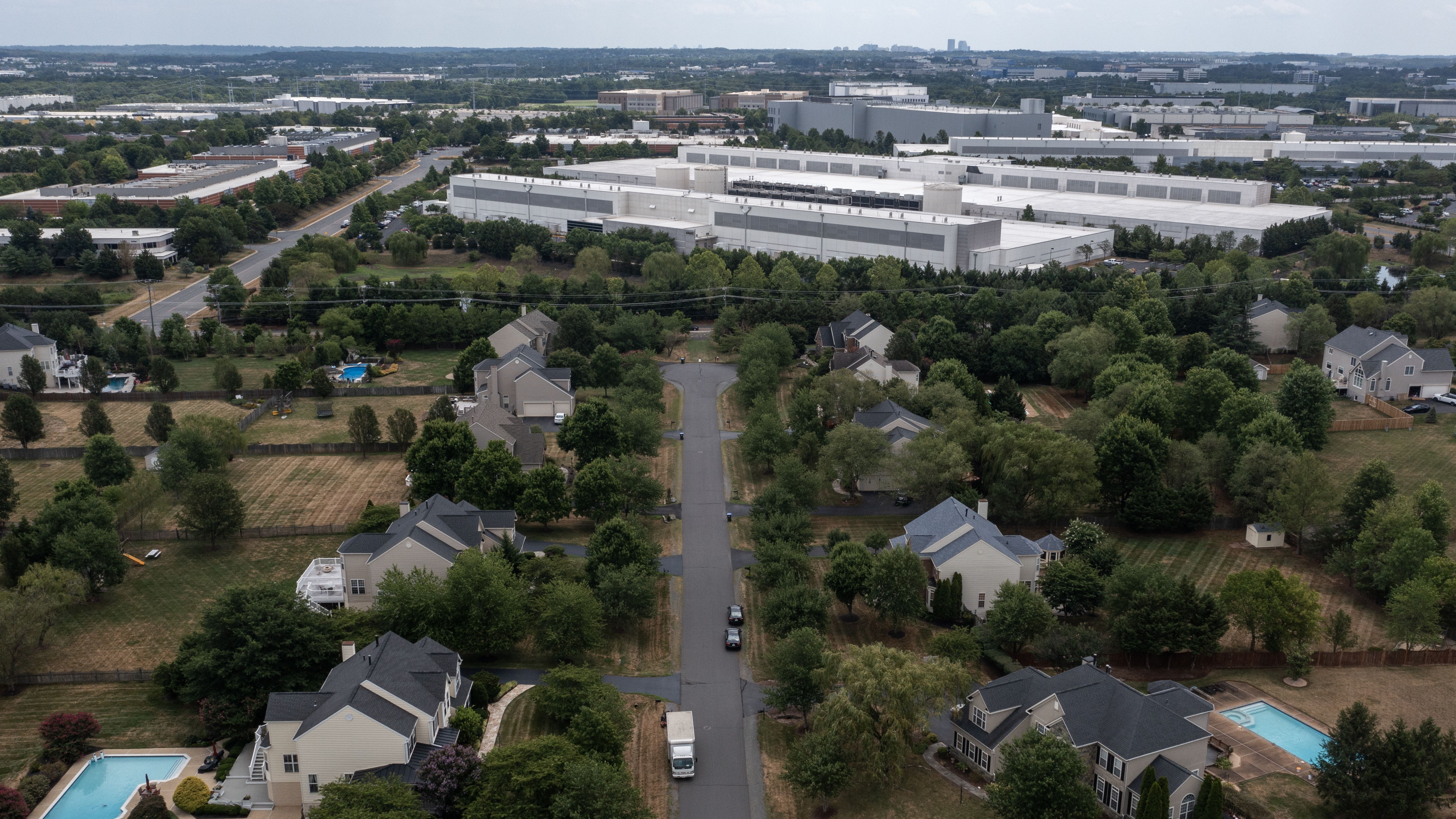
The data shows that demand for computational power, driven by AI, pushes toward these new infrastructures, creating a conflict between technological development and local resources. The company stated that data centers are built in and around residential zones, a factor that complicates property valuation. The presence of servers powering the entire functionality of the internet and the artificial intelligence industry creates a complex interconnection that is not easily measurable in terms of standard market value.
The research highlighted that the distribution of data centers is concentrated in only 1% of the country, with regions such as Northern Virginia, Silicon Valley, and Phoenix showing different economies. This geographic concentration means that economic impacts are not distributed uniformly but are linked to specific industrial and urban clusters. The company stated that the data shows that some areas have seen a rise in property prices while others have suffered, depending on local energy and demographic conditions.
The variability is so marked that there is no single answer for all real estate markets, forcing agents to adopt a case-by-case approach. Investors and legislators are now trying to understand whether these infrastructures could become a catalyst for growth or an obstacle to the real estate sector. The key question is whether the demand for computational power can actually support property prices or instead generate local tensions.
The news that matters, every morning.
Ricevi una selezione ragionata di business, mercati e innovazione.
